This website uses cookies
This website uses cookies to enable it to function properly and to analyse how the website is used. Please click 'Close' to accept and continue using the website.


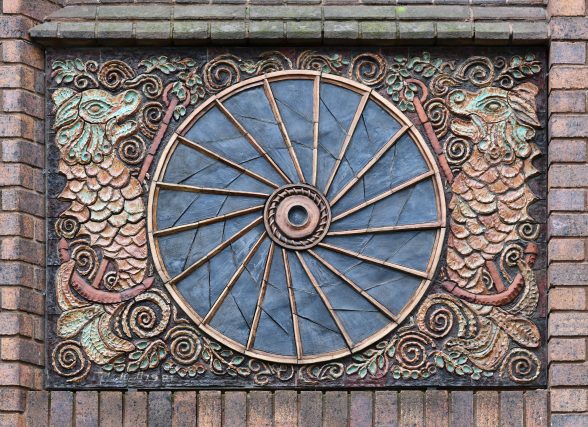
Image credit: Tiles & Architectural Ceramics Society
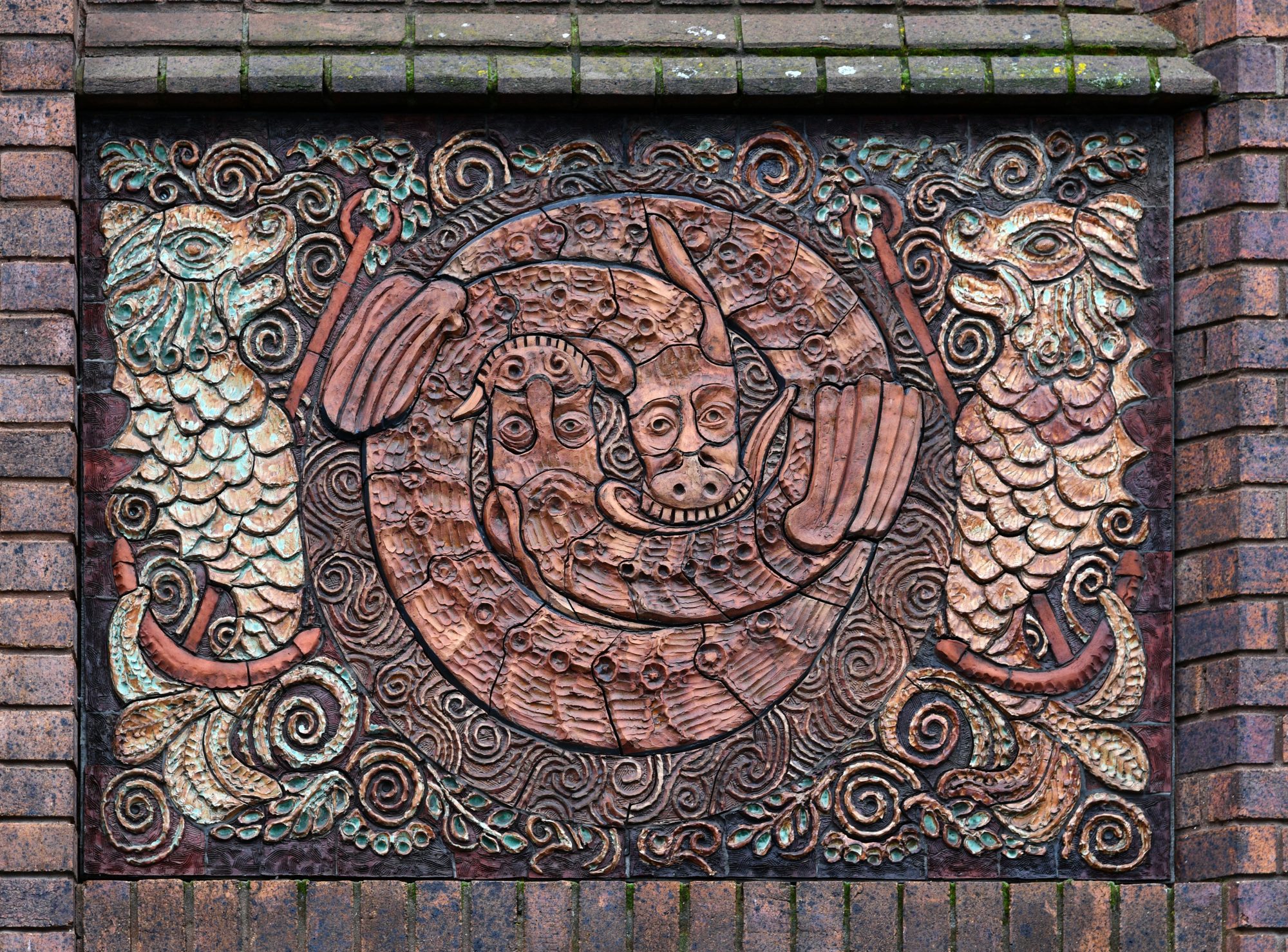
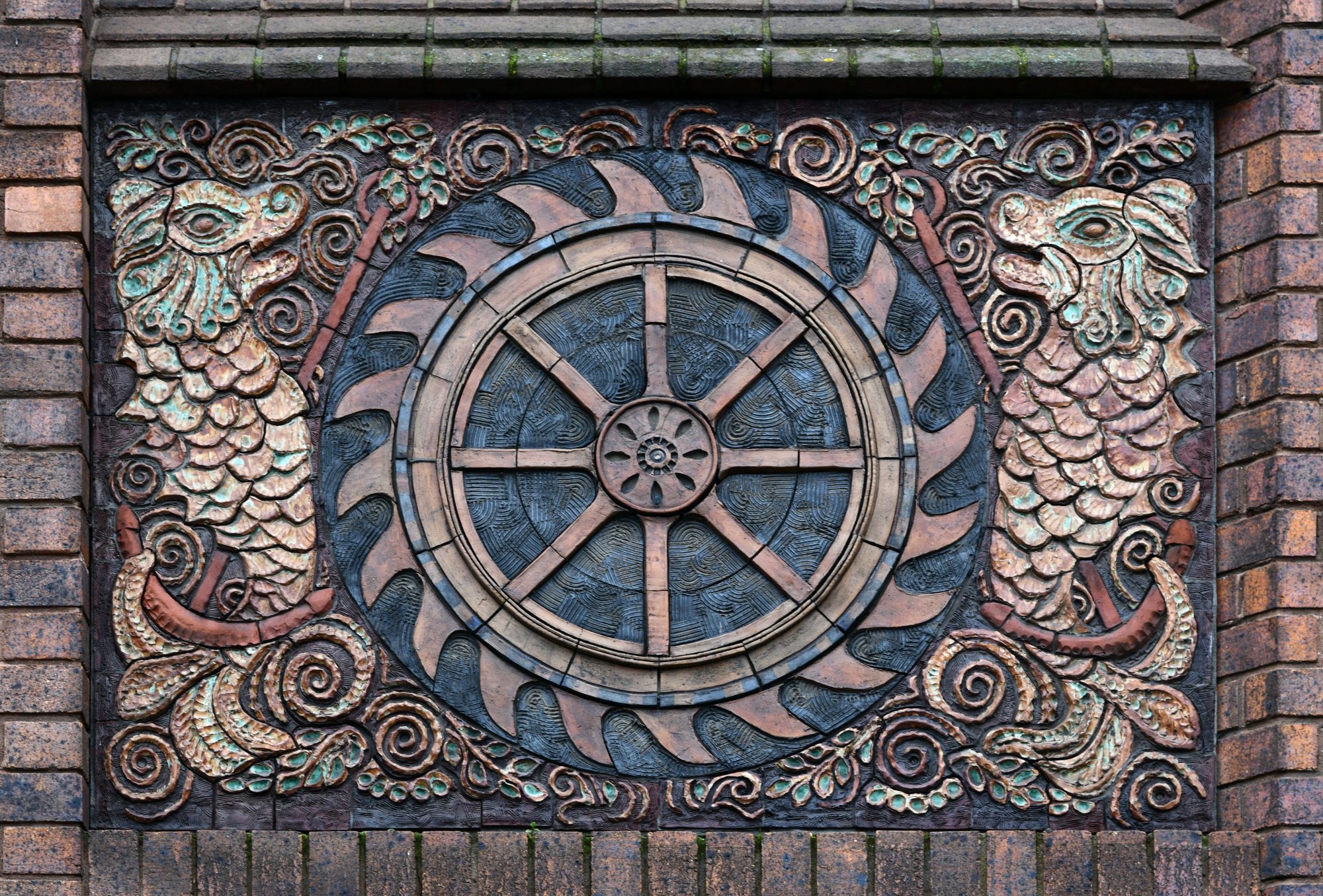
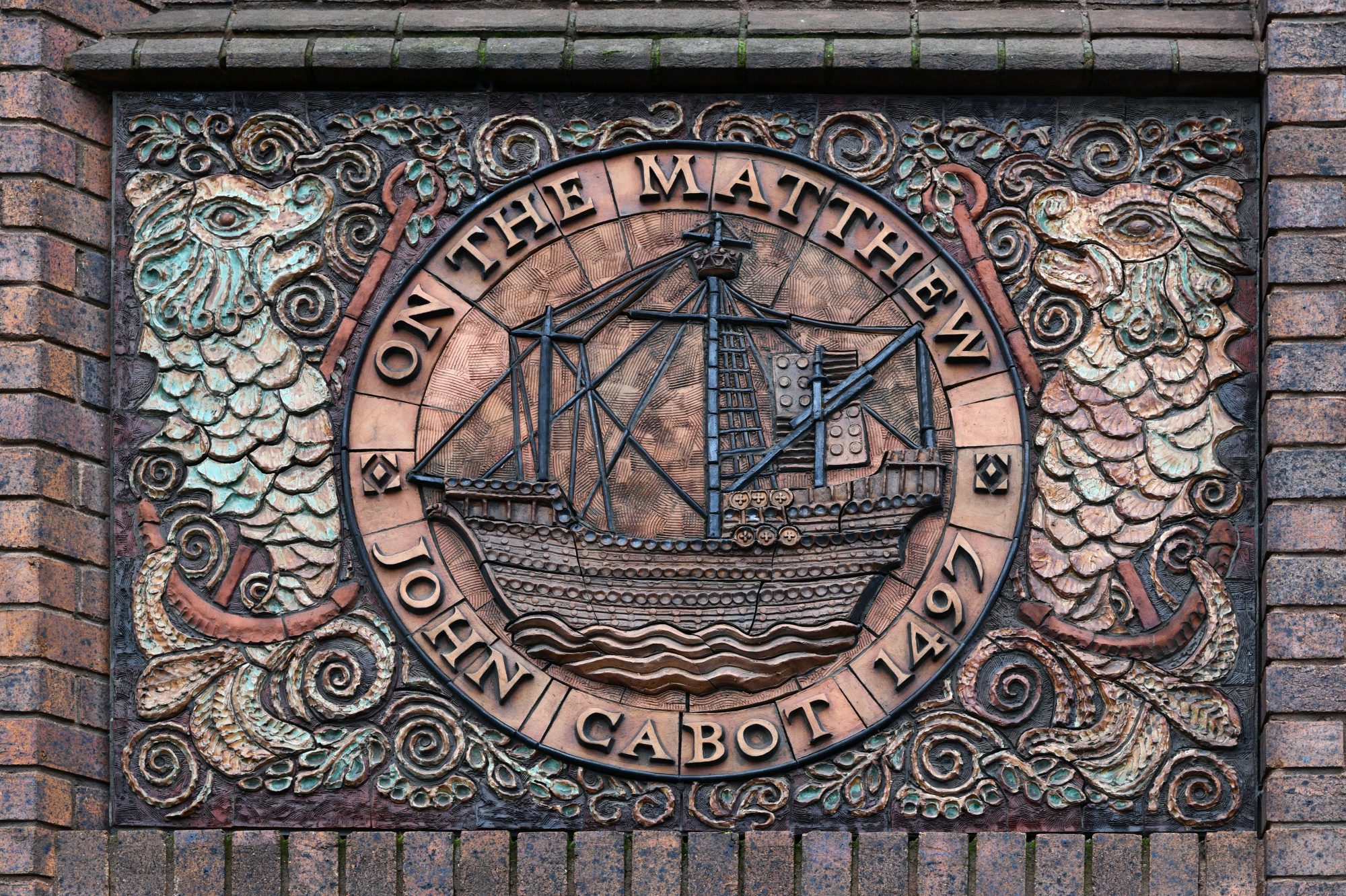
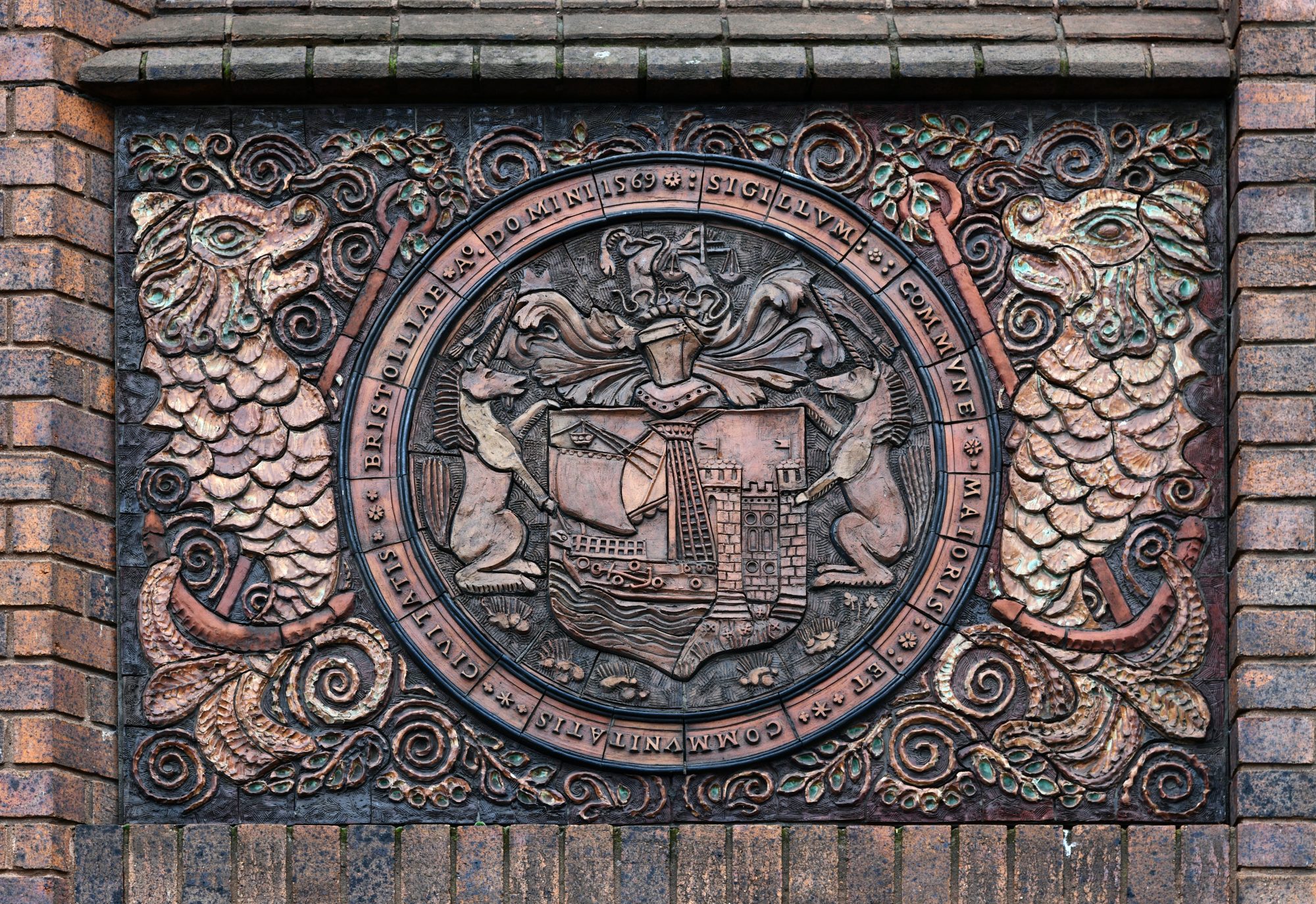
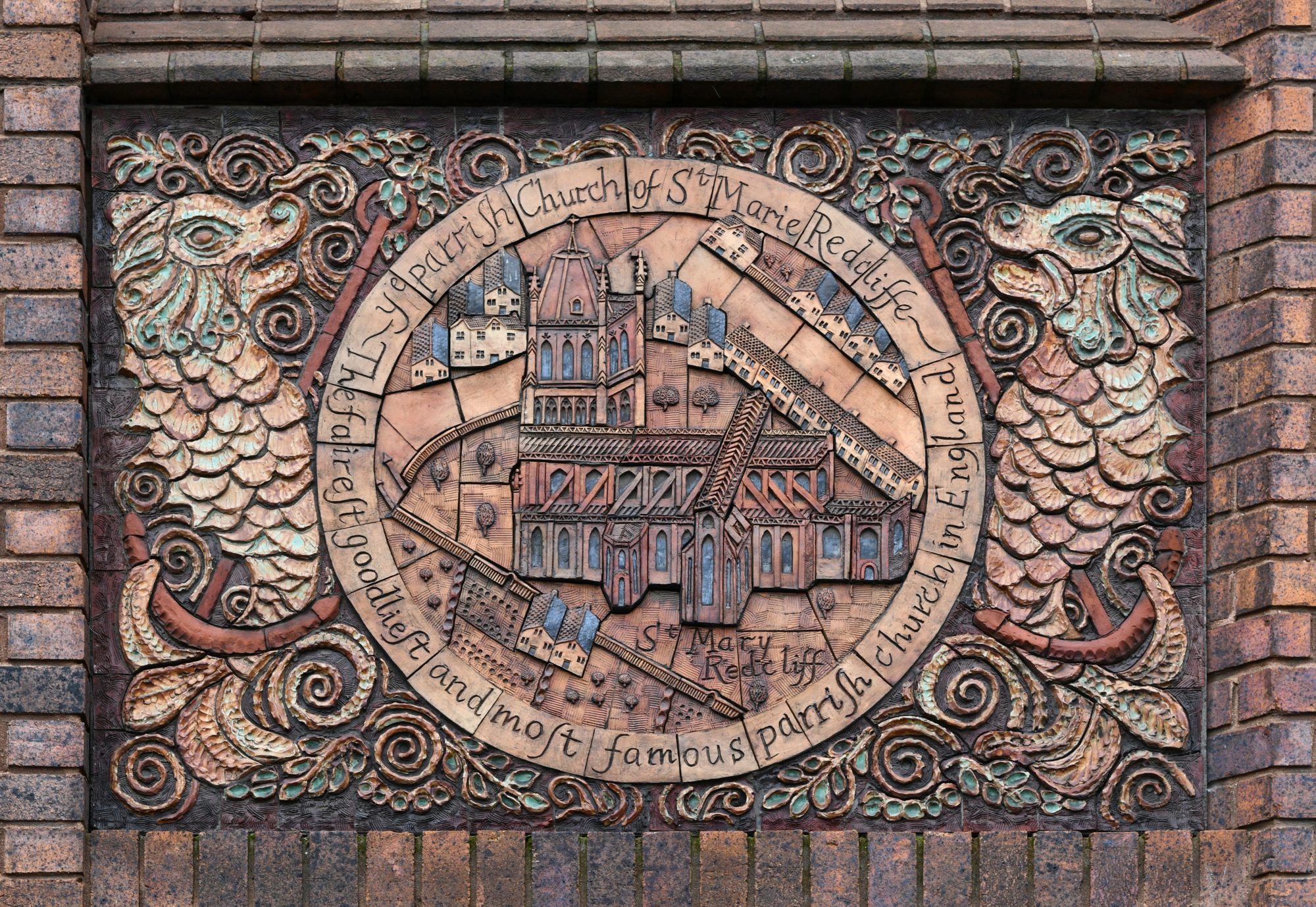
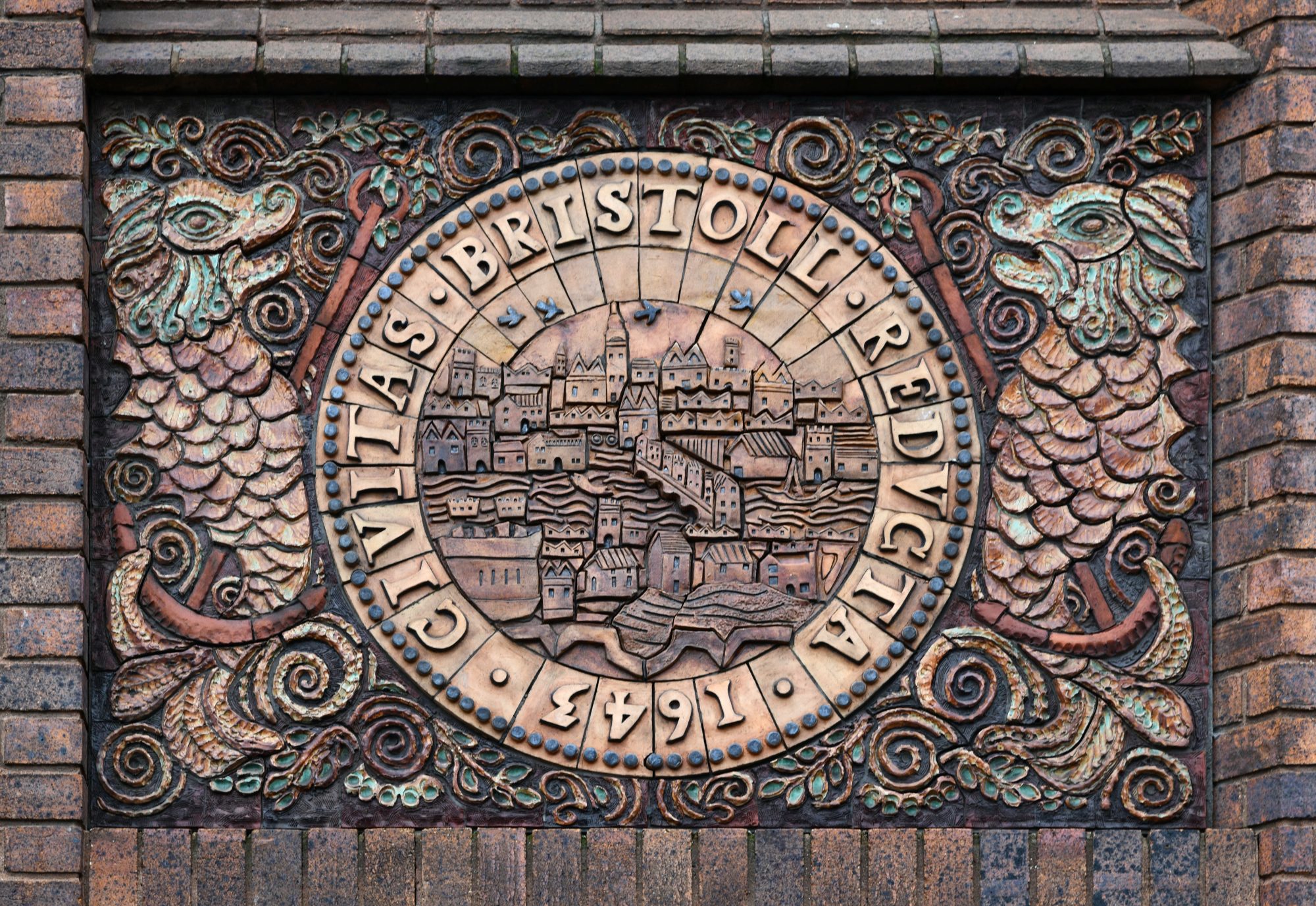
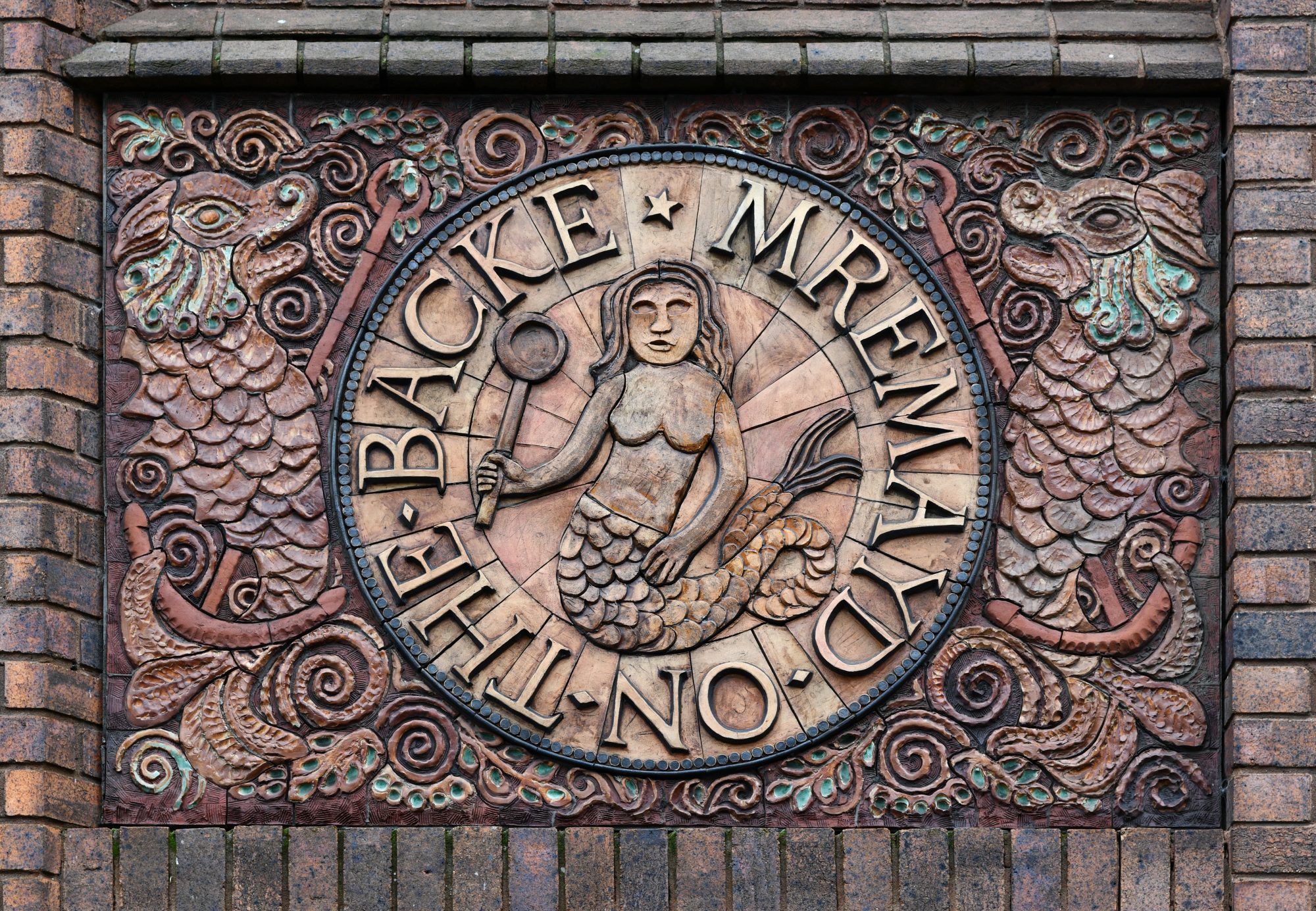
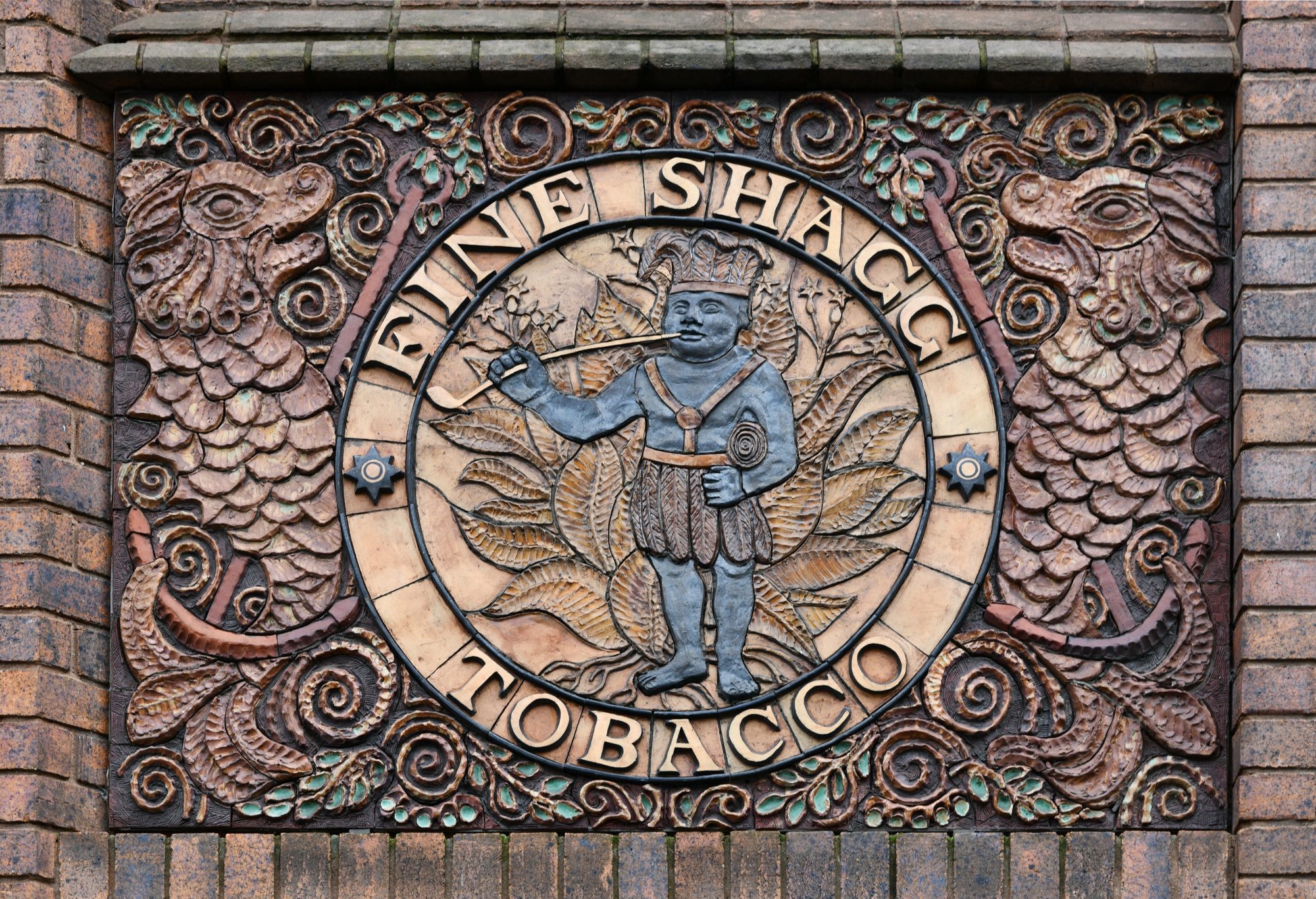
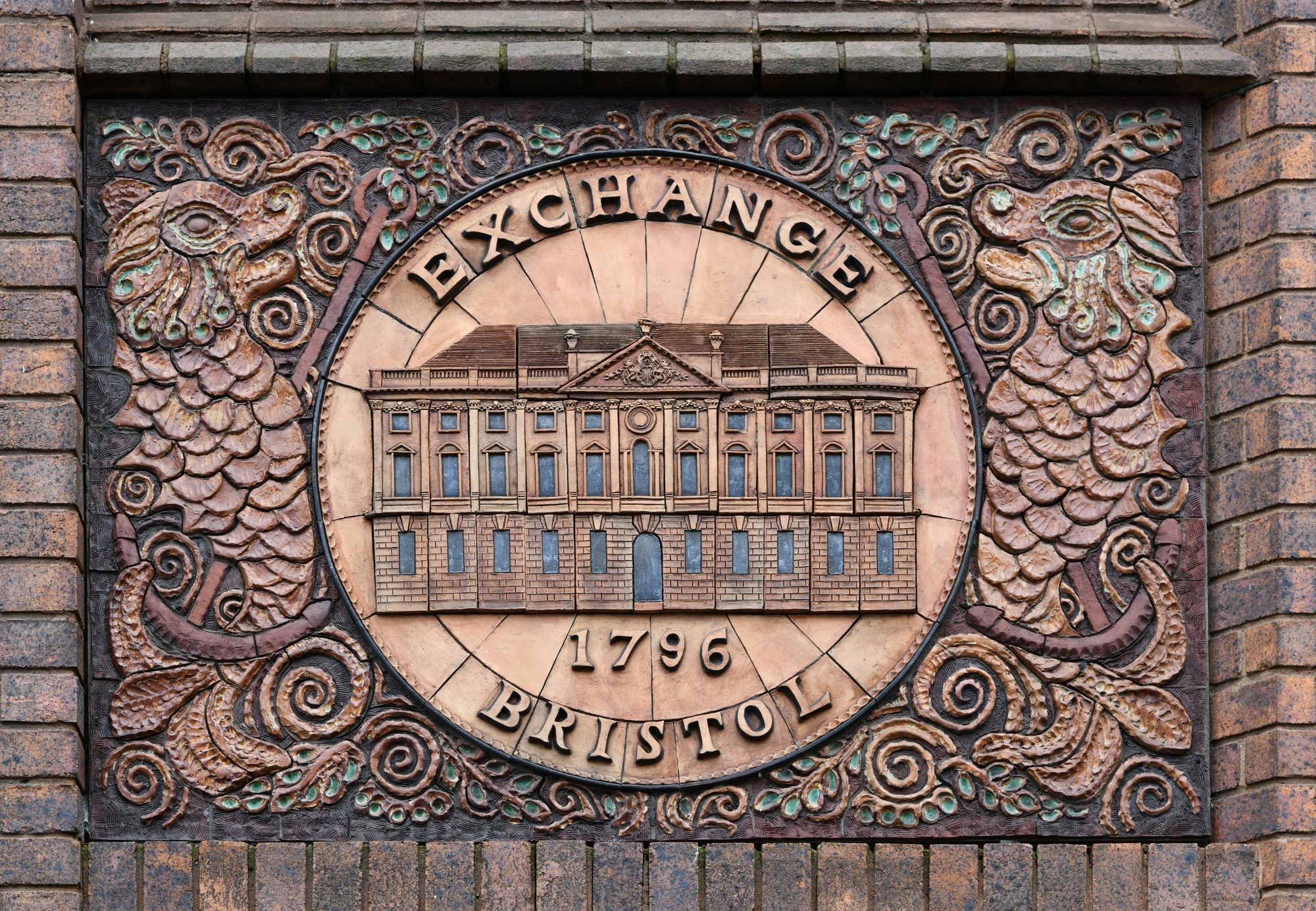
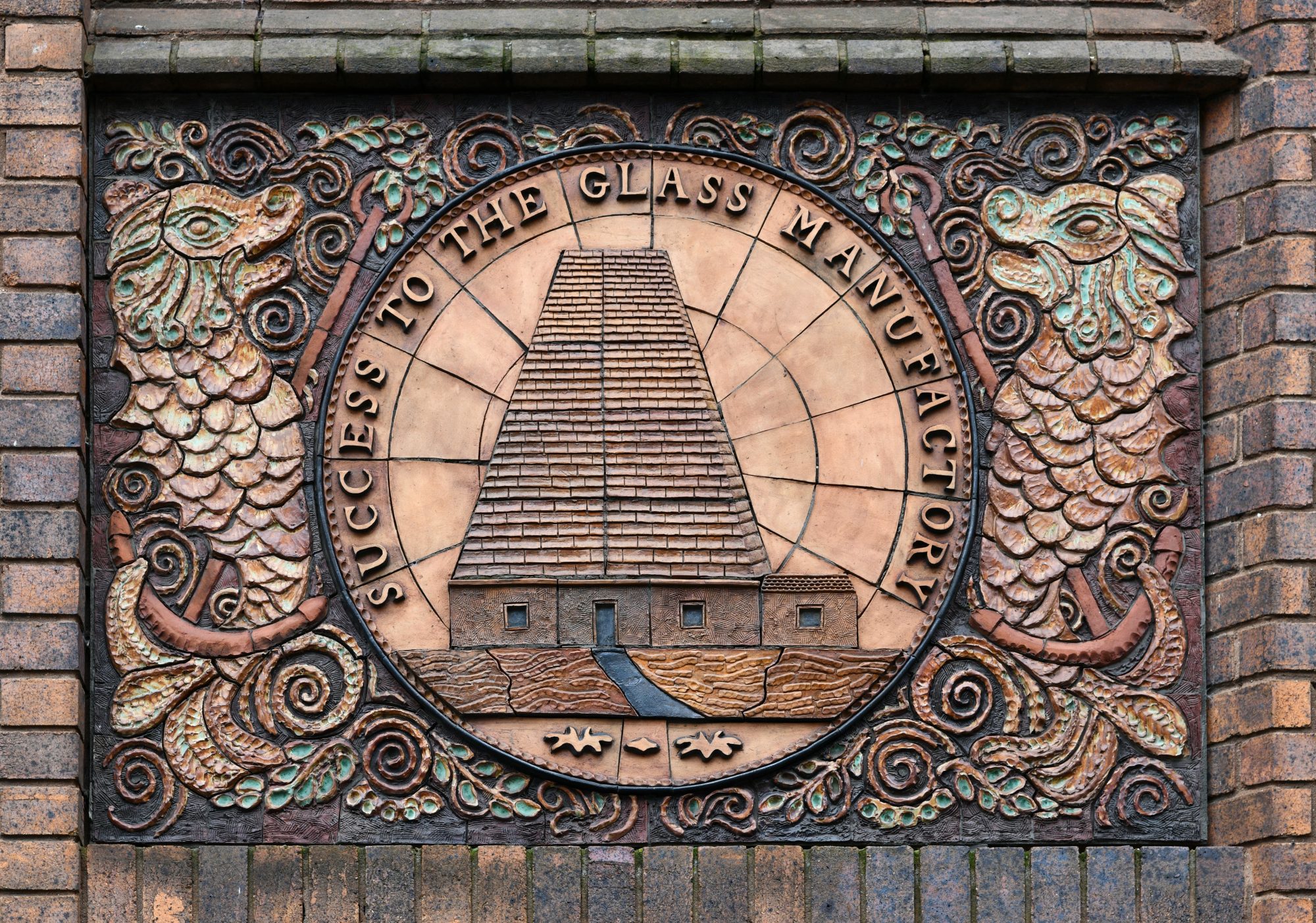
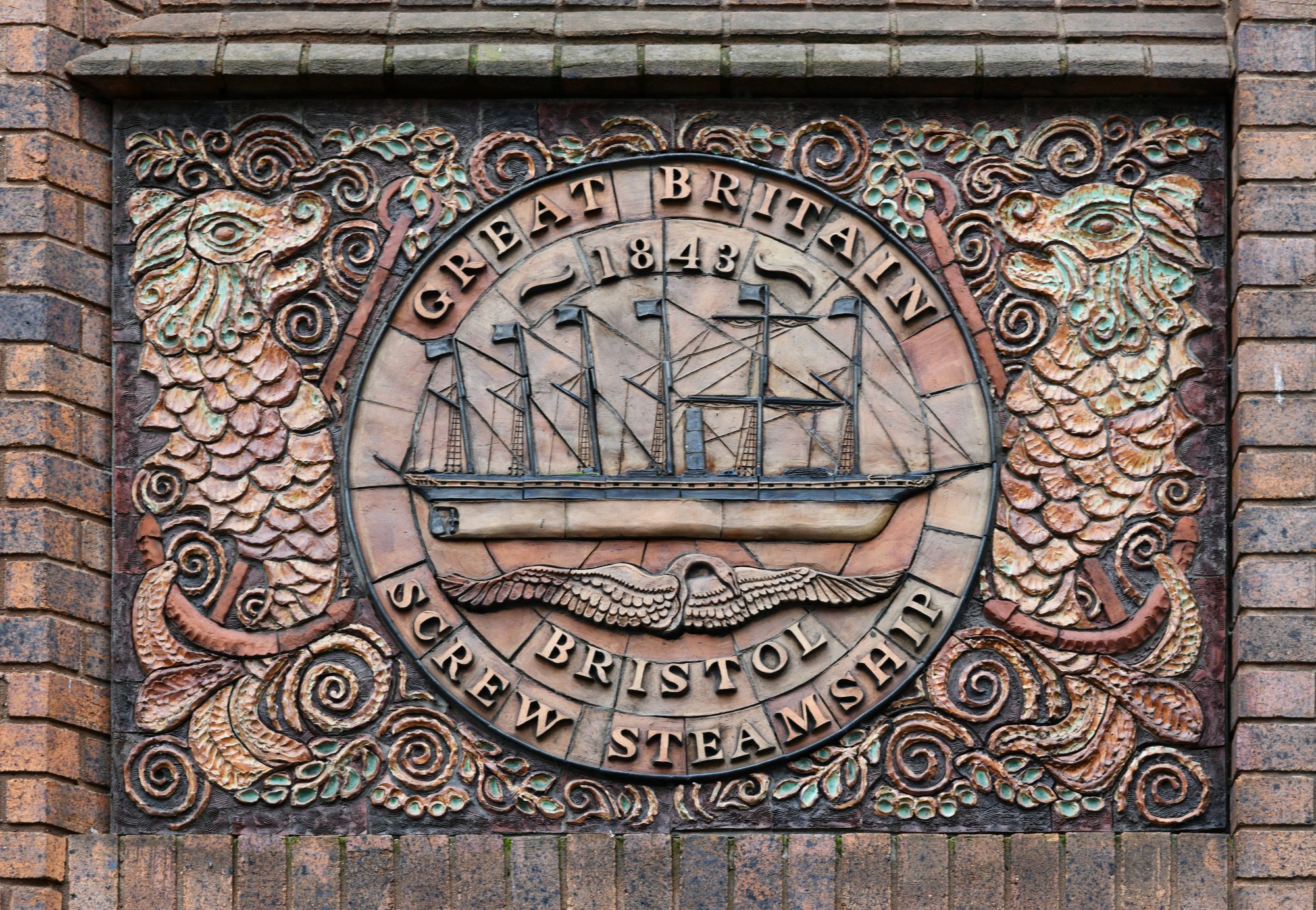
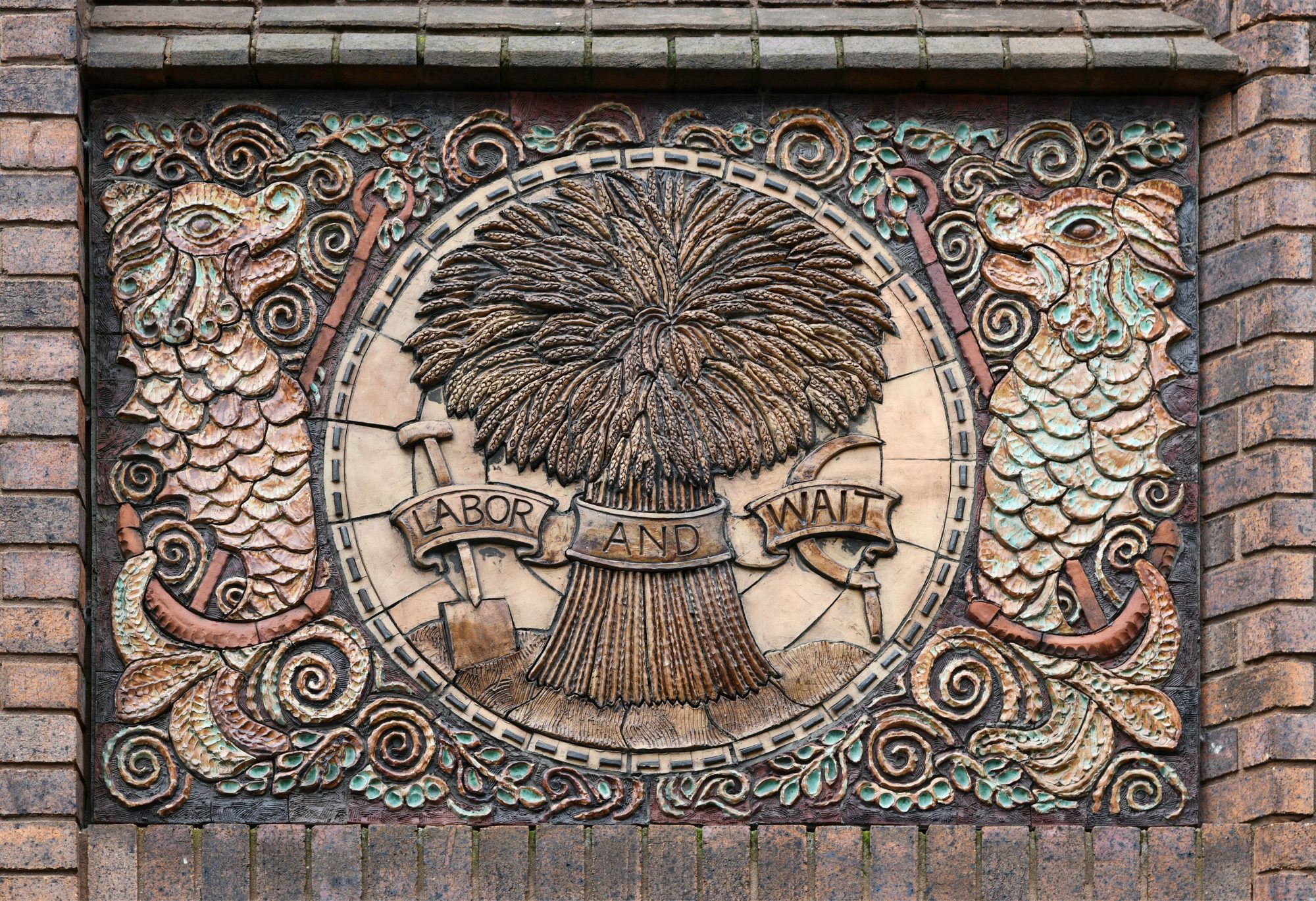
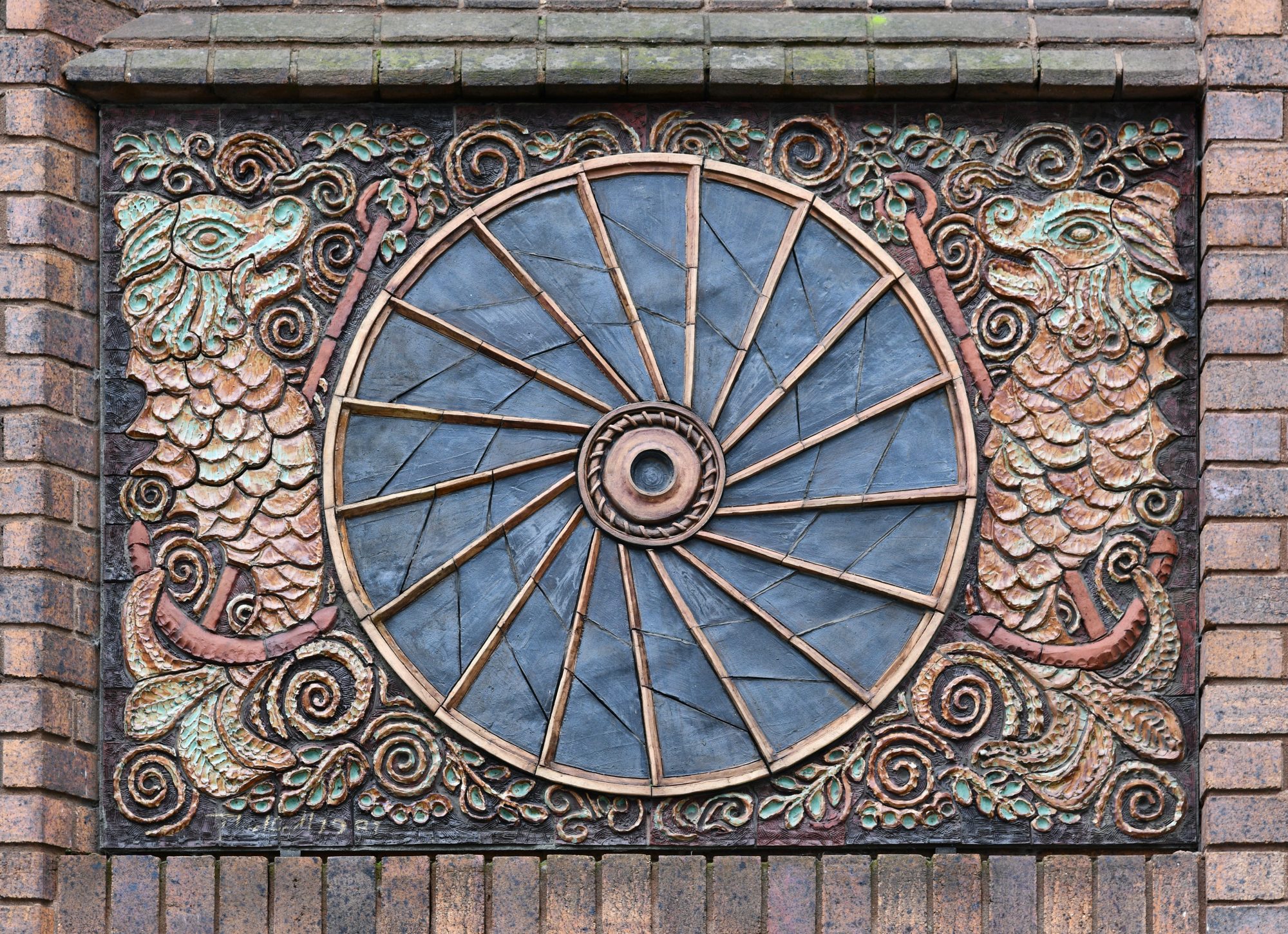
C20 Society has helped to rescue a frieze of fifteen exquisite terracotta mural panels from the 1980s Broad Quay House office building in Bristol, which is set to be redeveloped. Created by artists Philippa Threlfall (b.1939) and Kennedy Collings (1933-2002) in 1982 for the Standard Life company, the murals depict key moments and artefacts from eight hundred years of Bristol’s history, spanning the 12th to the 20th century. From the tobacco trade and Brunel’s SS Great Britain, to the Cooperative movement, Concorde, and controversial slave-trader Edward Colston.
The Society did not object to the retrofit proposals for Broad Quay House but lobbied strongly to ensure a prominent and public-facing new home was found for the ‘History of Bristol’ murals. The scheme will see the structural concrete frame of the building retained, but the brick façade demolished and replaced to upgrade the environmental performance. Having working closely with the developers, Aberdeen Investments, and officers at Bristol City Council, the artworks will now be carefully removed from the existing building and re-installed on the exterior of the new building, subject to formal planning approval (see below).
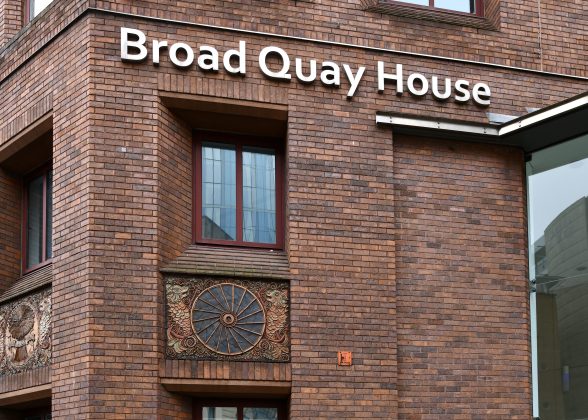
Image credit: Tiles & Architectural Ceramics Society
Broad Quay House was designed by Alec French & Partners and developed by Standard Life in 1981-82, overlooking the waterfront in the Old City. Pevsner described the building as being “…a futuristic concept of 1973 with gold reflective glass, via a glass-walled bell-shaped building of 1977, to the existing red-brick polygon wrapped around a small courtyard”. Today, it is designated as a ‘negative building’ in the Bristol City & Queen Square Conservation Area appraisal.
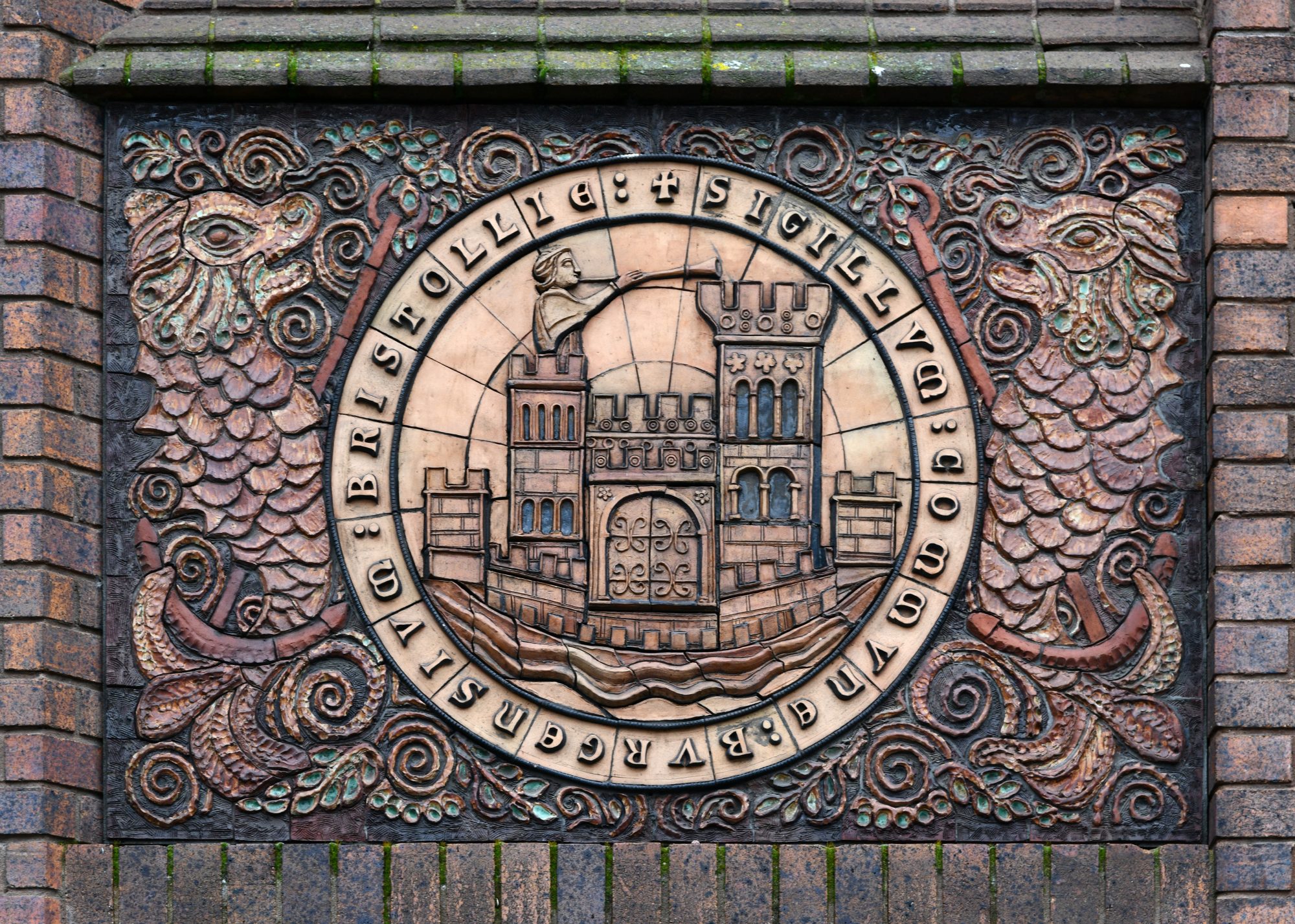
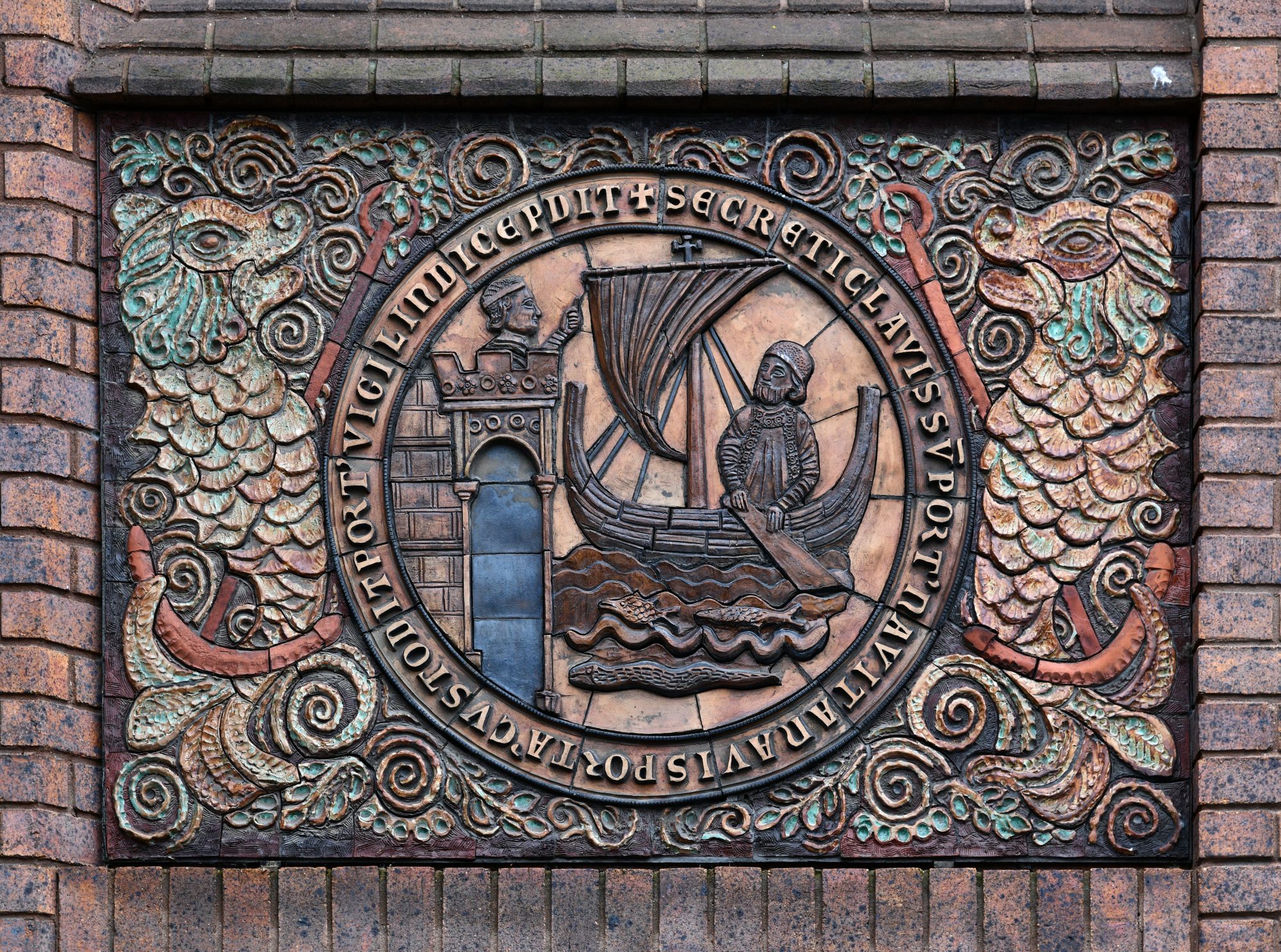
The architects built a series of shallow cavities (1500 mm x 1000 mm) into the north façade at first floor level, to accommodate fifteen decorative panels. Threlfall and Collings worked on several projects for Standard Life from the 1970s – 1990s and were commissioned to propose design ideas for the site. Their research resulted in a rich and varied visual tableau of the city’s story: coins minted during Civil War, an Elizabethan seal, 17th century tokens used in a public house, mercantile symbols, and the 20th century aerospace industry.
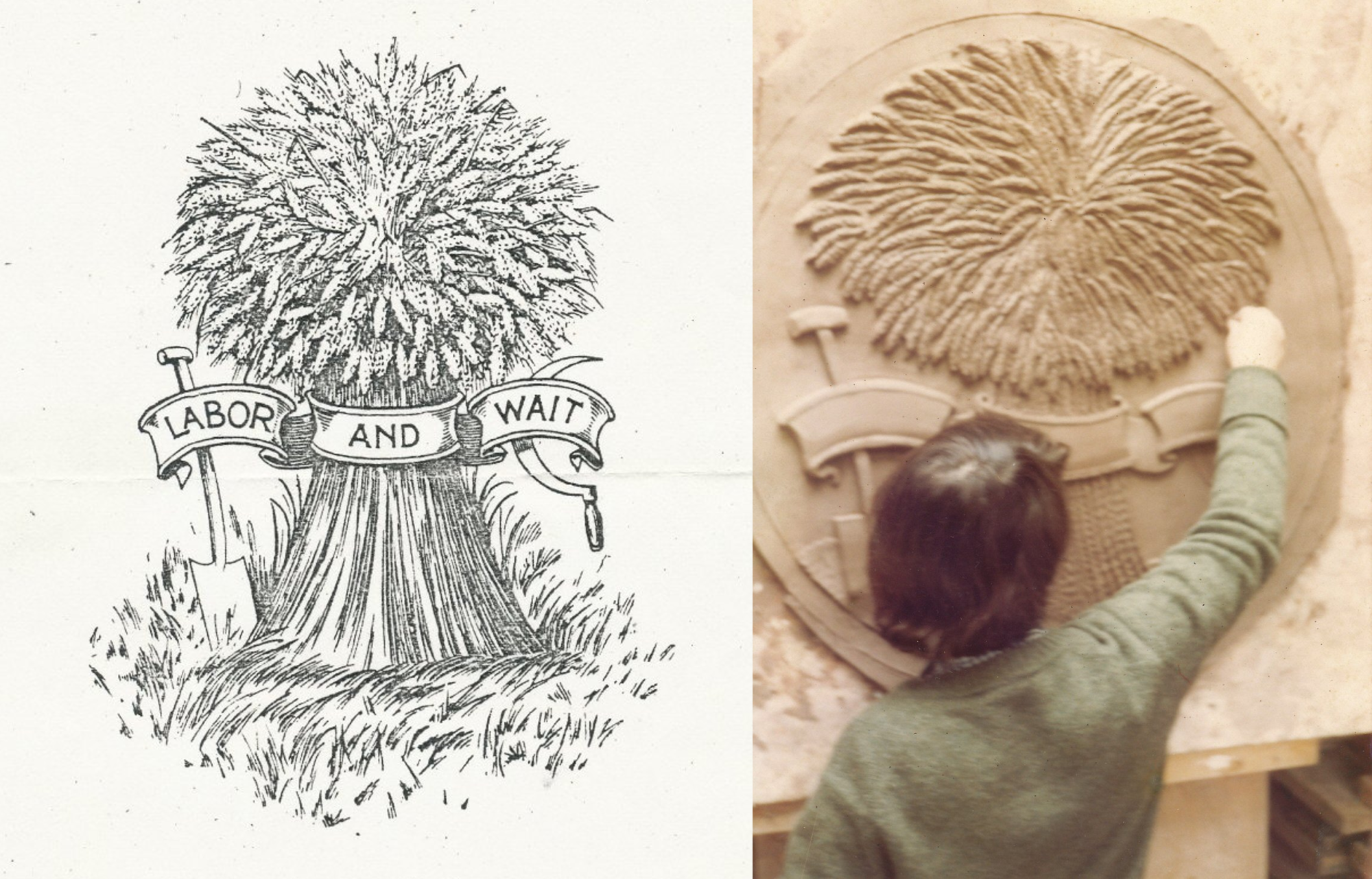
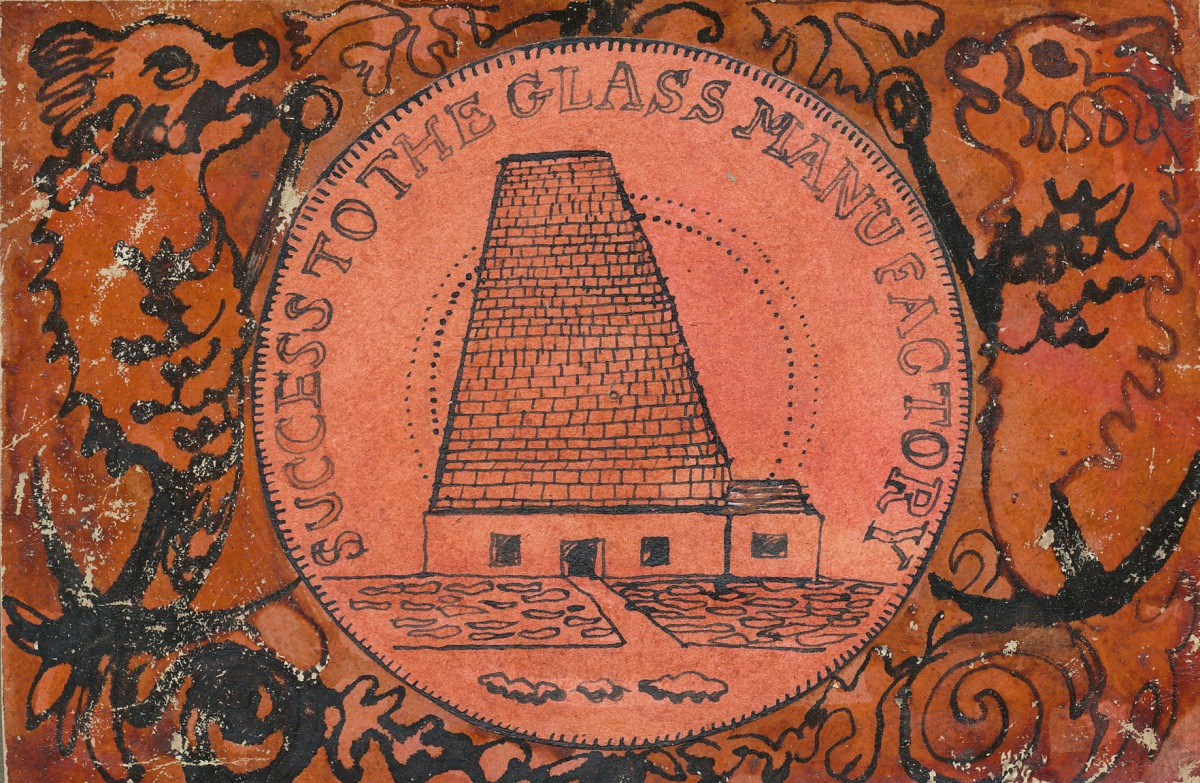
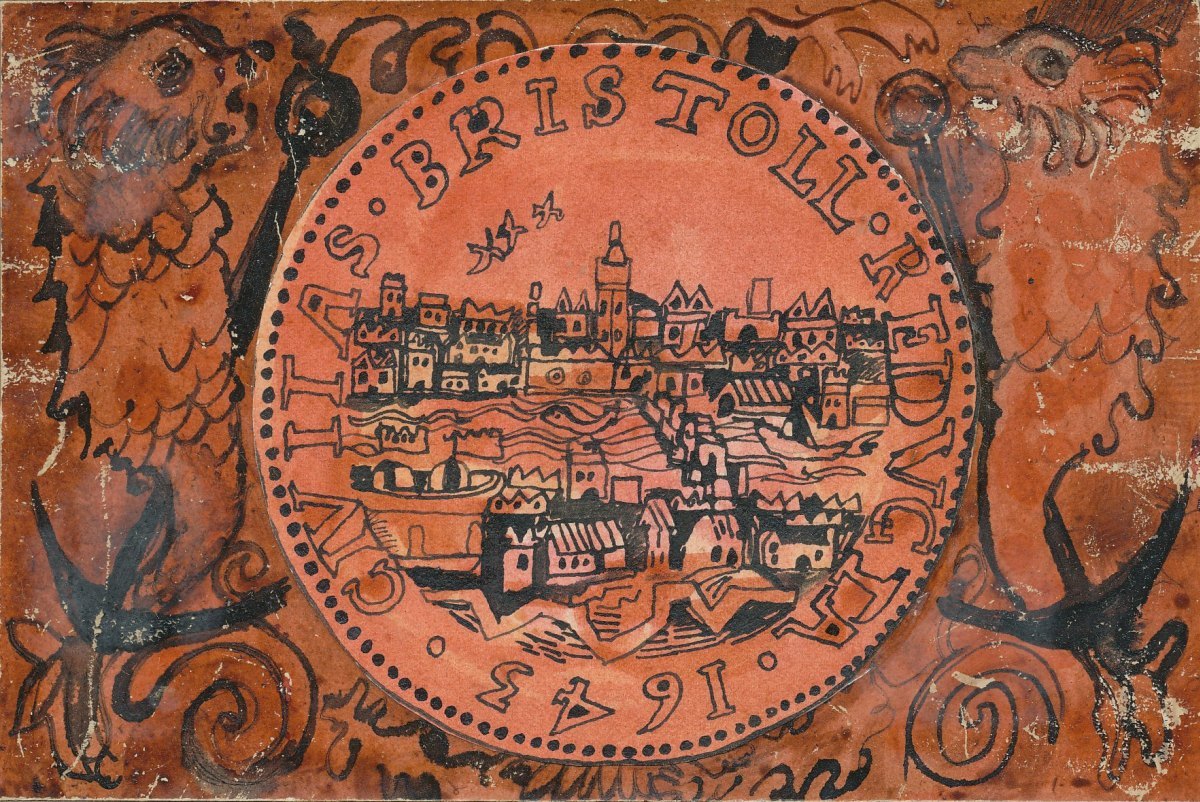
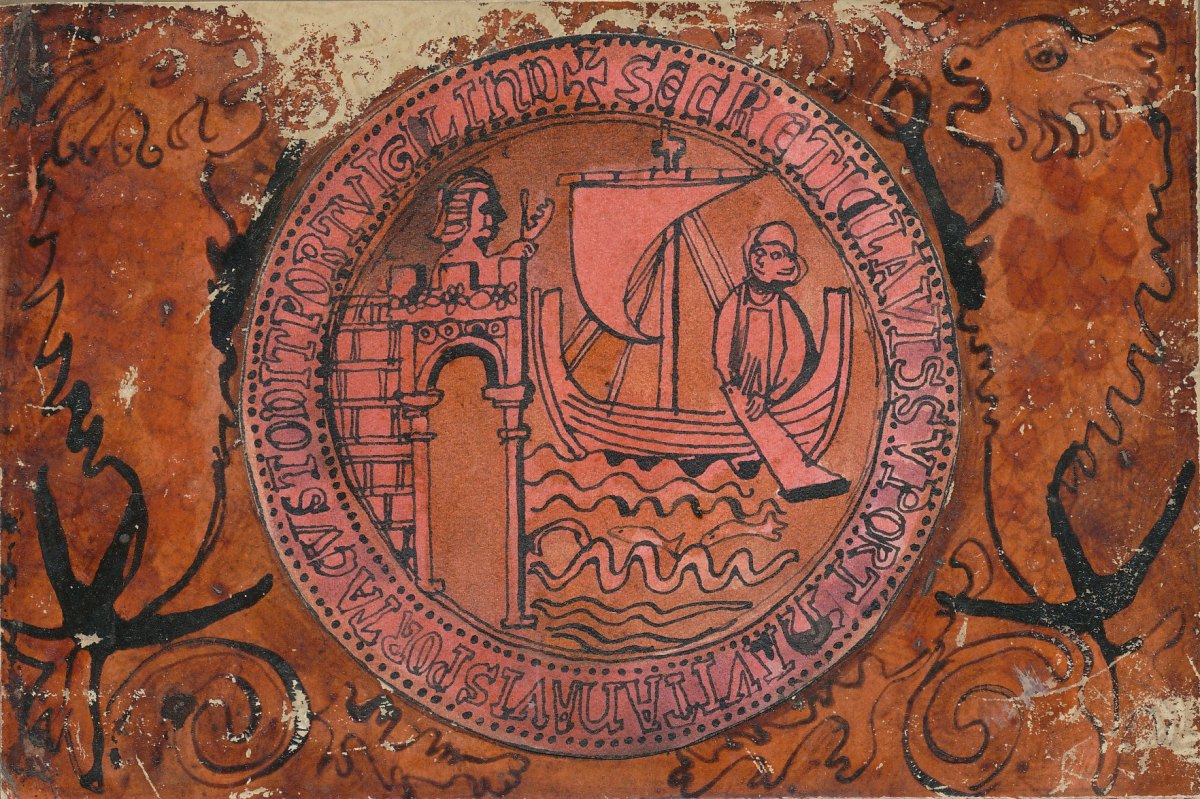
The 15 panels were hand sculpted in contrasting buff and terracotta clays, and selectively used a reduced palette of copper and manganese glazes. The central roundels were framed with a repeating cartouche featuring two dolphins from the family crest of Edward Colston; the Bristol merchant, slave trader, philanthropist and Tory MP who was once widely commemorated in Bristol landmarks. Growing awareness of Colston’s central role in the transatlantic slave-trade saw his statue toppled and pushed into Bristol Harbour in June 2020 during protests in support of Black Lives Matter. The city’s concert venue, Colston Hall, was renamed Bristol Beacon in November 2023, while the Colston dolphin was removed from University of Bristol’s logo in February 2024.
Threlfall recalled: “A theme was chosen of Bristol’s history and we spent several weeks researching suitable images/ Instead of looking for notable buildings we searched for smaller artefacts: local museums and churches for seals, trade tokens, coinage and archival images. All were to fit inside a roundel. We thought that a link containing these different images should be a repeating motif and chose (with hindsight unfortunately!) the two dolphins facing each other from Edward Colston’s 18th century crest. These are of course also very much a part of Bristol’s history.”
With notes by the artist, Phillipa Threlfall, on the scenes depicted in each panel.
Images credit: Tiles & Architectural Ceramics Society
Click here and search for 25/14972/F (Broad Quay House) to make a comment in support of the application.
The deadline for comments is Fri 06 Mar 2026
Become a C20 member today and help save our modern design heritage.