This website uses cookies
This website uses cookies to enable it to function properly and to analyse how the website is used. Please click 'Close' to accept and continue using the website.


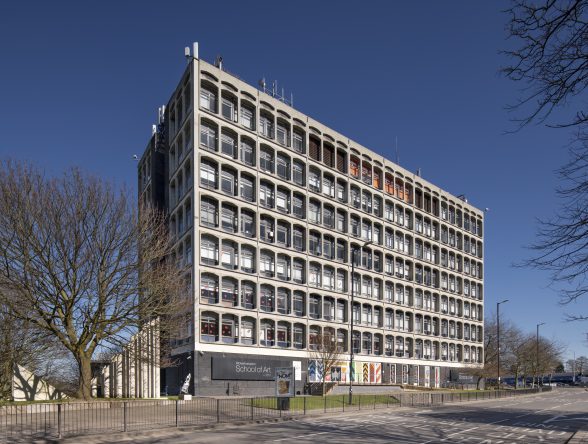
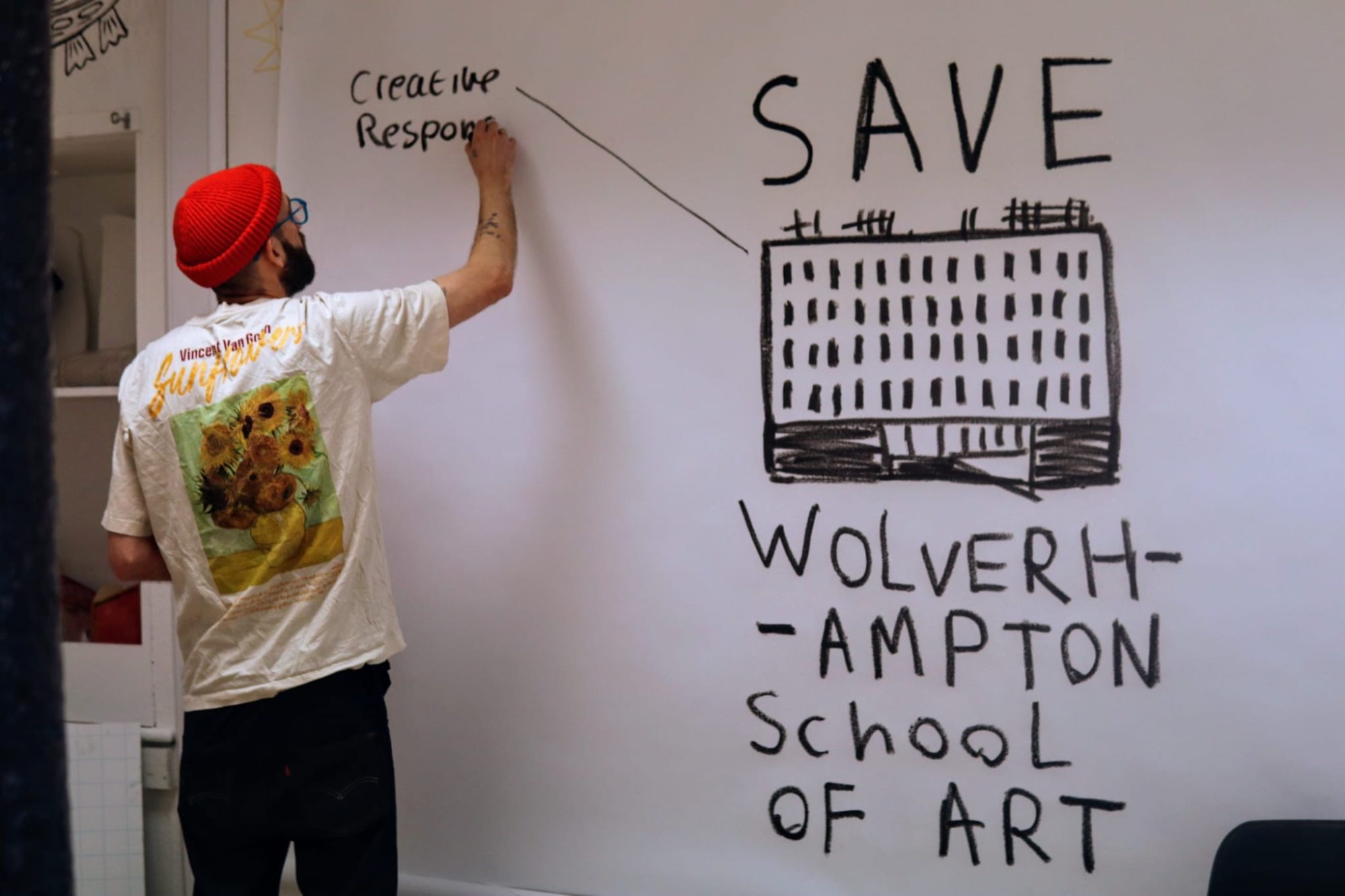
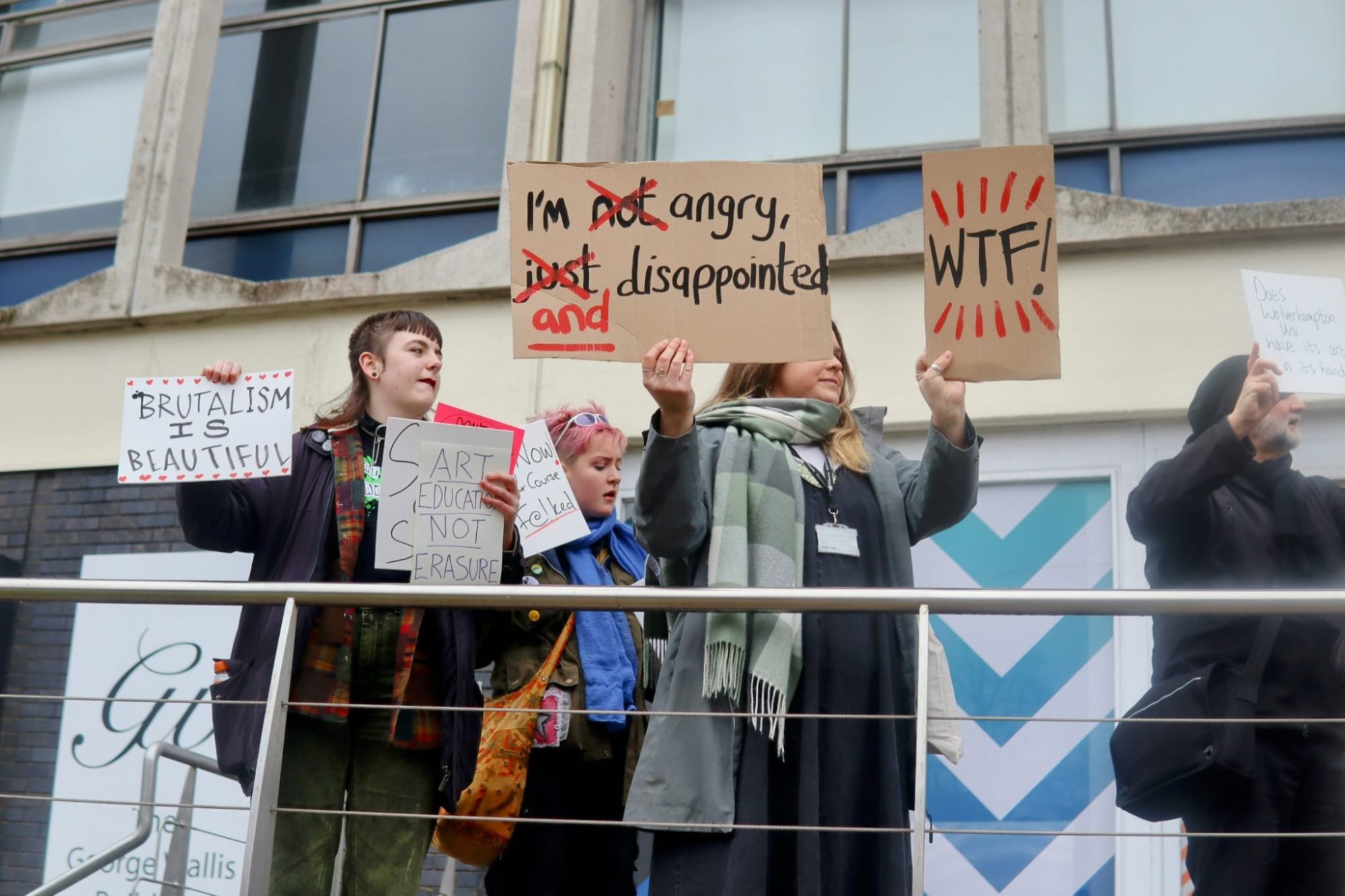
We were delighted to receive the news just prior to the Christmas break that Wolverhampton School of Art has been Grade II listed by DCMS; the decision has saved the brutalist building from a proposed demolition by the University. It follows a listing application by C20 Society in January 2025 and a vigorous local campaign mounted by artists, staff and students at the school.
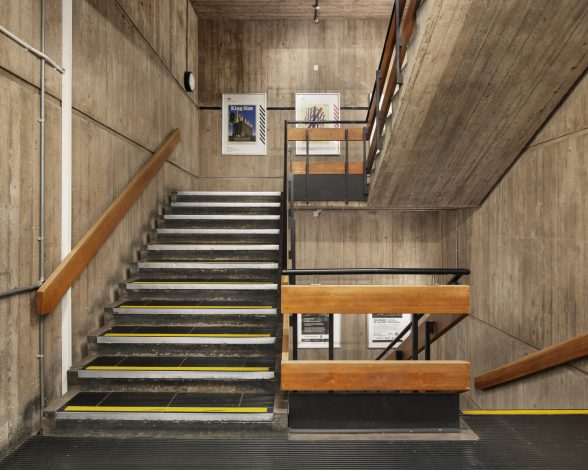
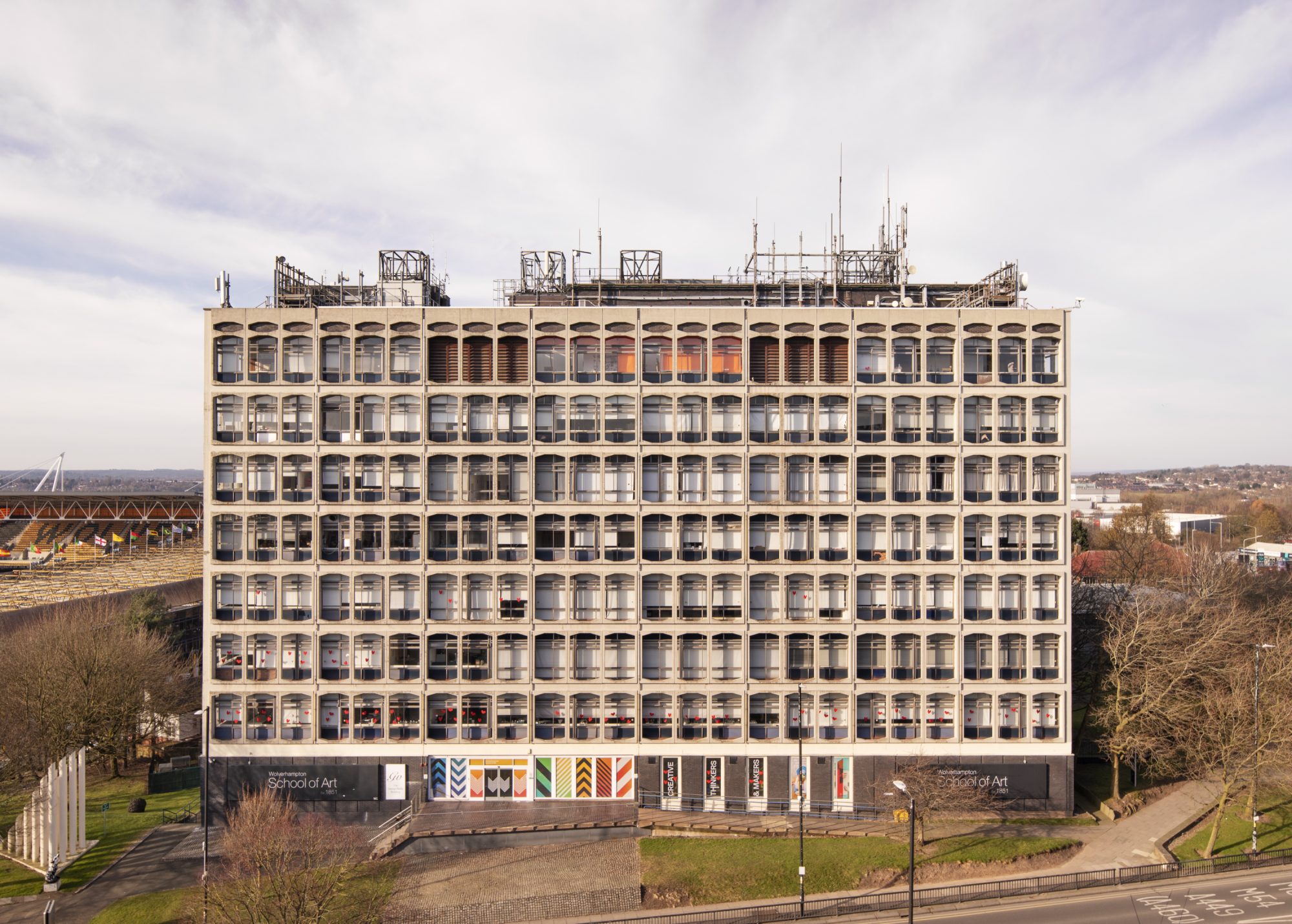
Image © Historic England
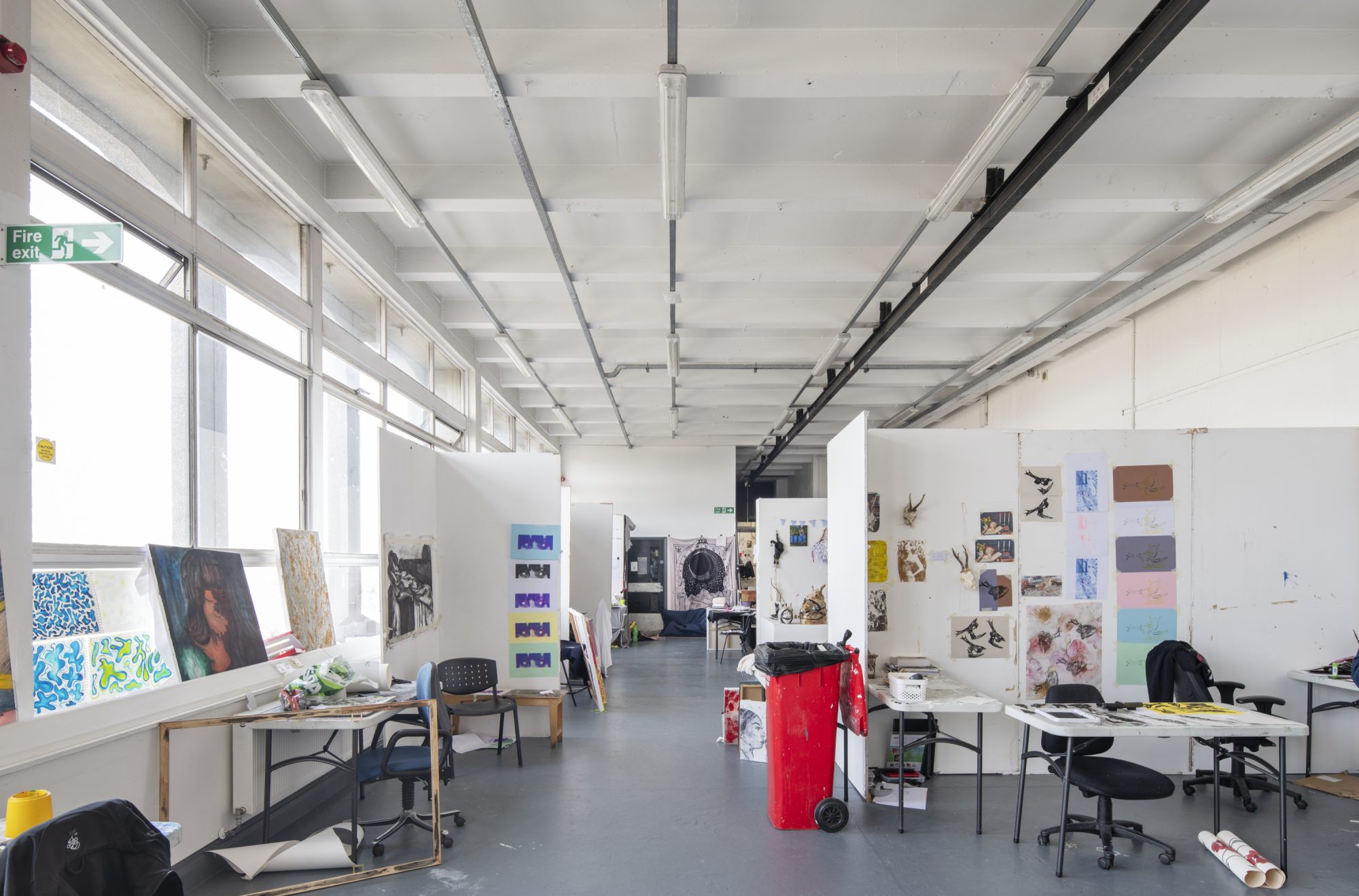
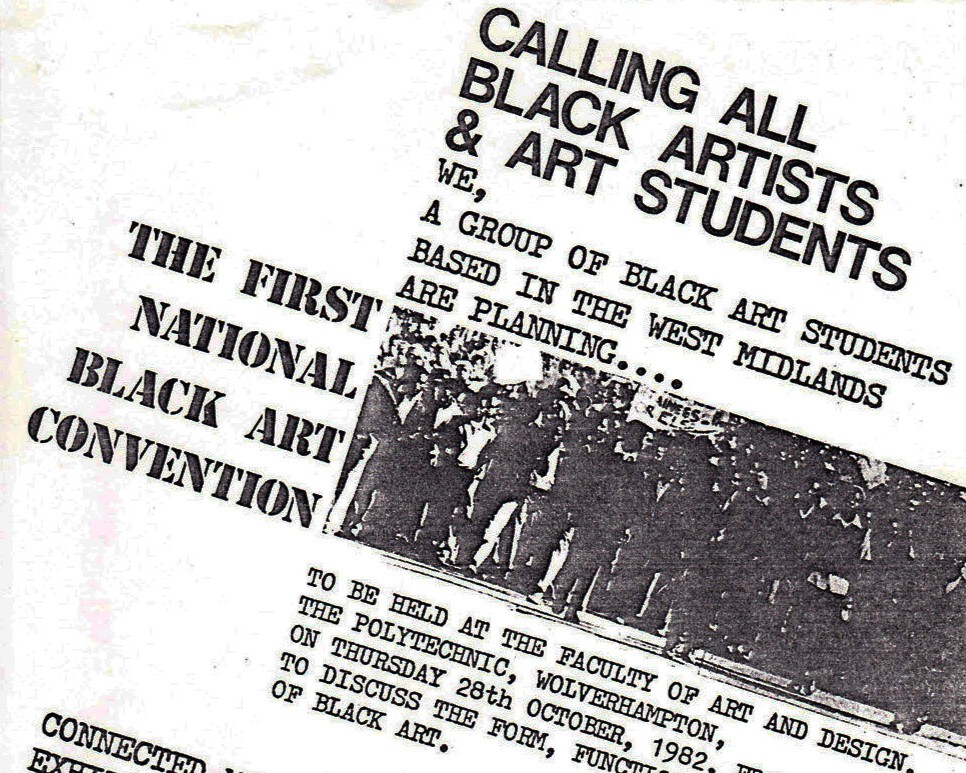
Built 1966-70 to designs by architects Diamond Redfern and Partners, Wolverhampton is an exceptional example of a post-war art school and one that played a central role in the rise of the British black art movement. In October 1982 it was the location of the First National Black Art Convention, where many of the most celebrated British artists of the last four decades congregated to discuss what black art was for in the early part of the Thatcher era. Attendees included Sonia Boyce, John Akomfra, Lubaina Himid, Ingrid Pollard and Claudette Johnson. Other notable alumni of the School include Cornelia Parker, Keith Piper, Marlene Smith, Trevor Beattie and Marcus Fairs.

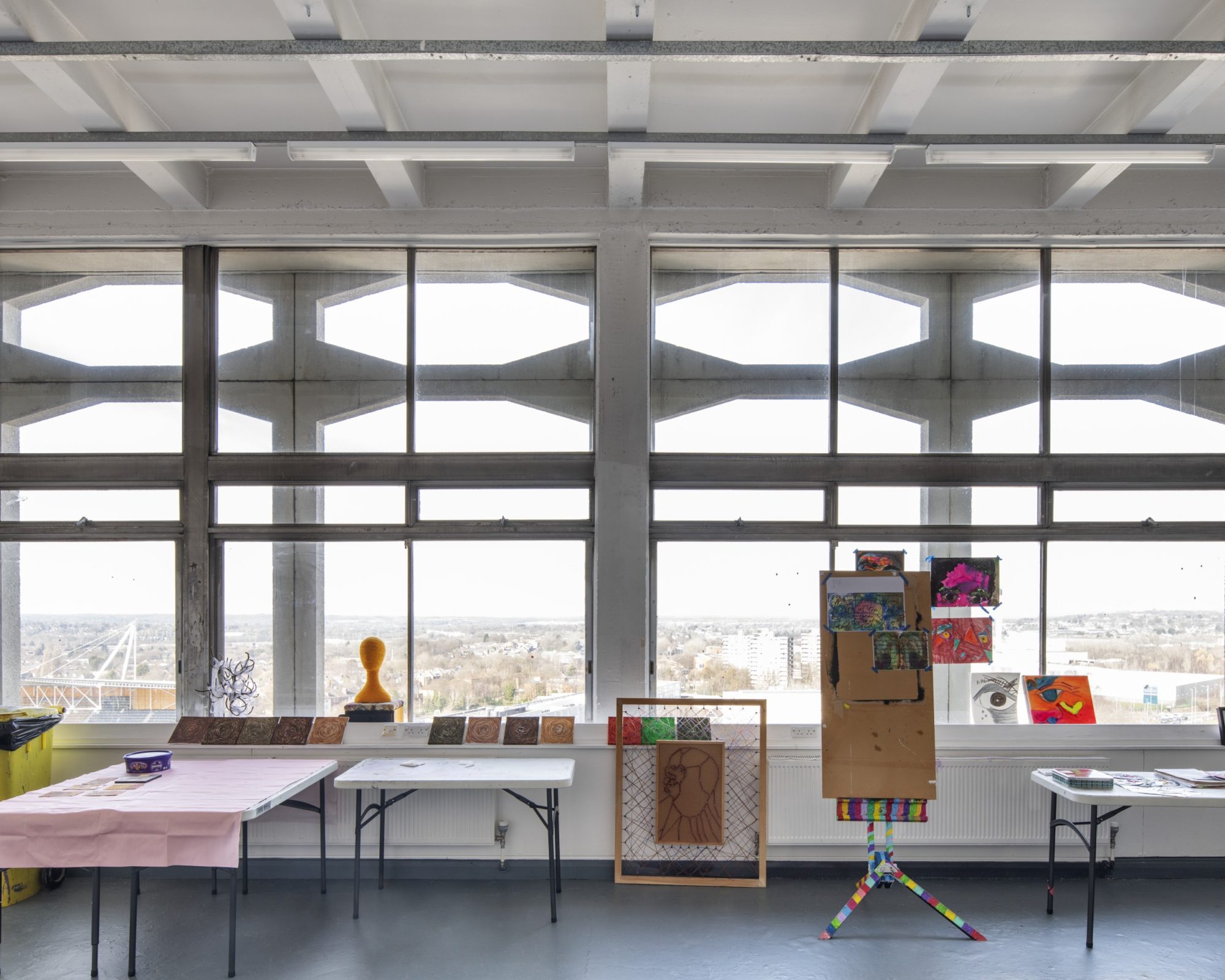
Image © Sharonjit Sutton
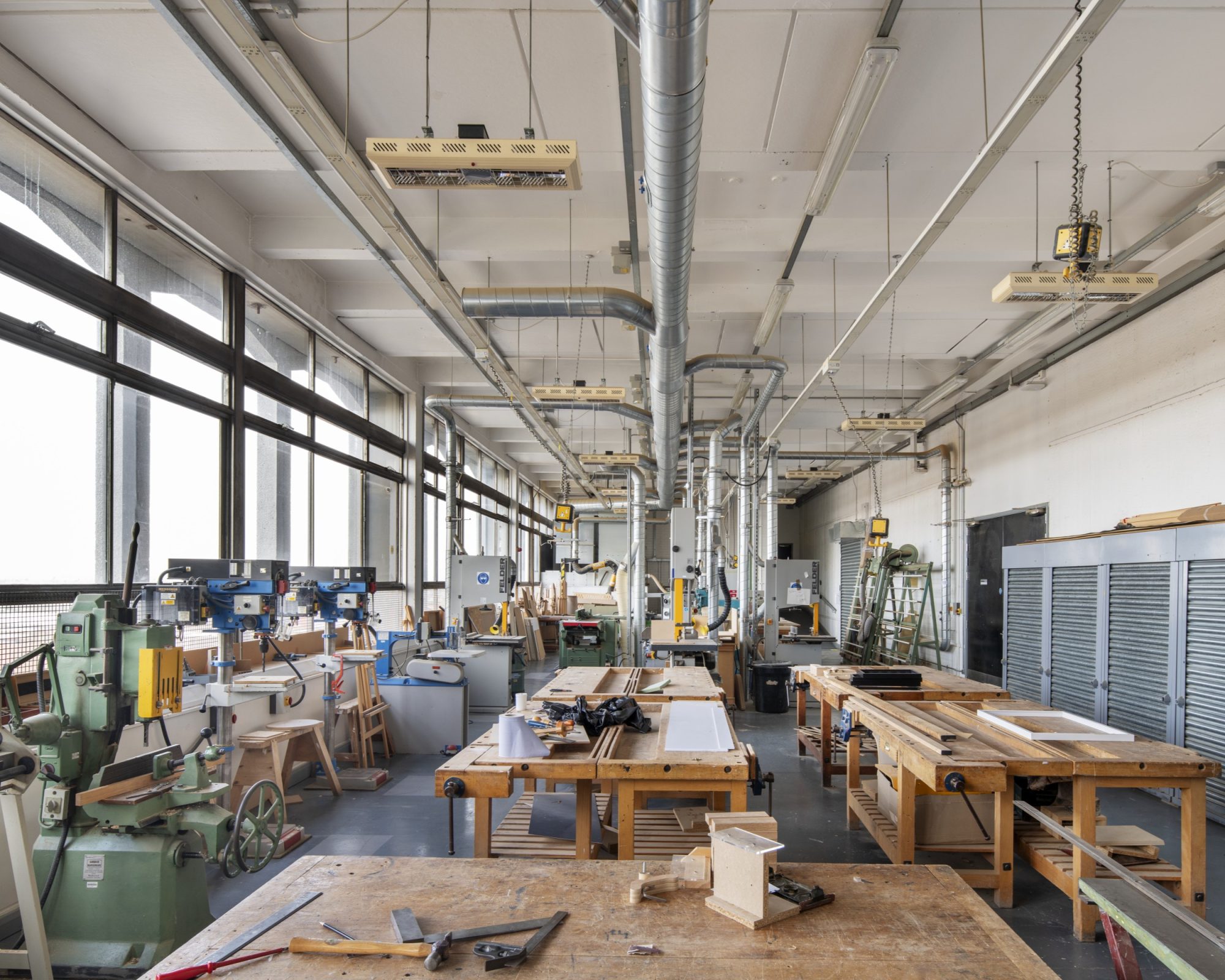
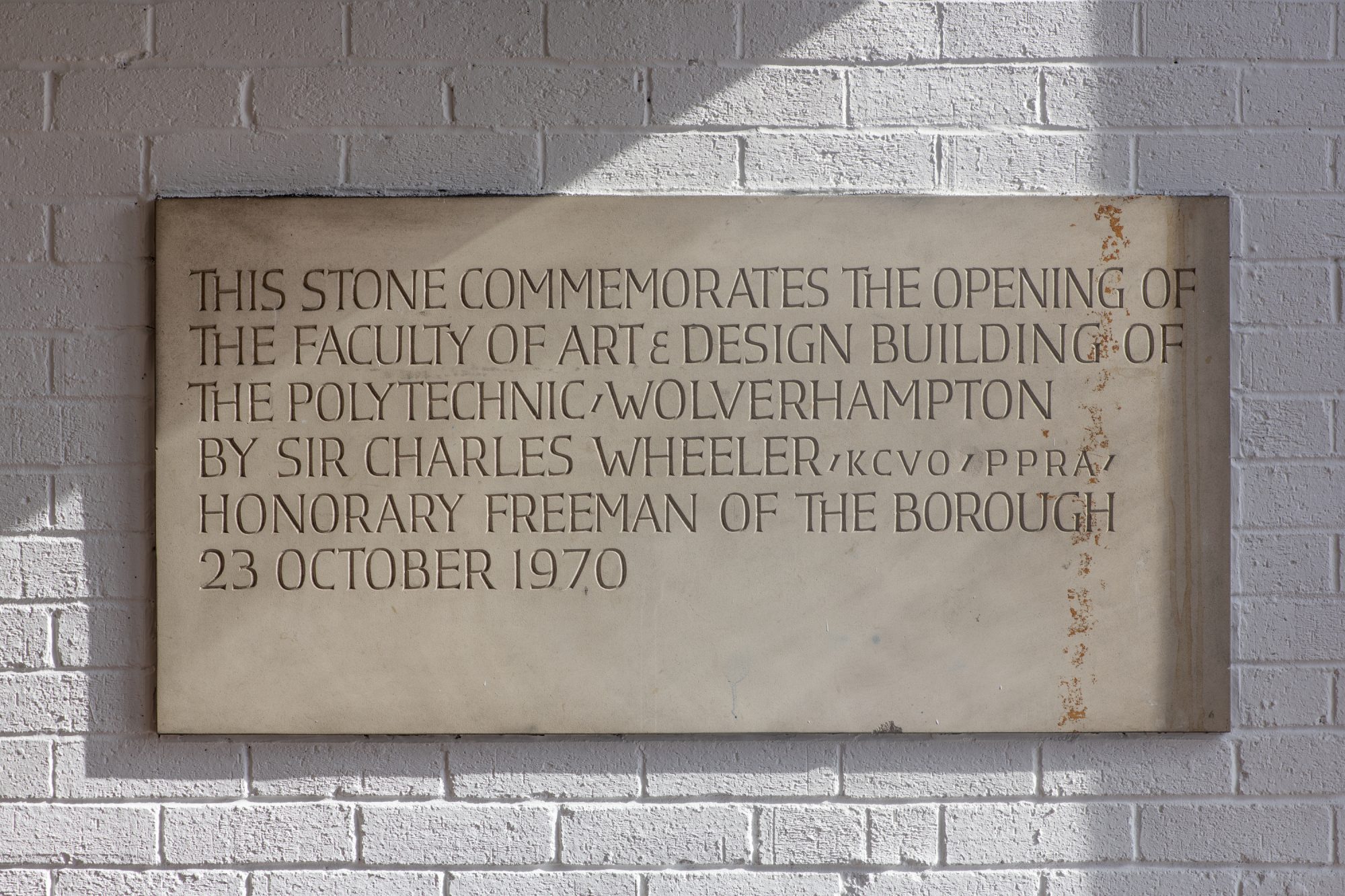
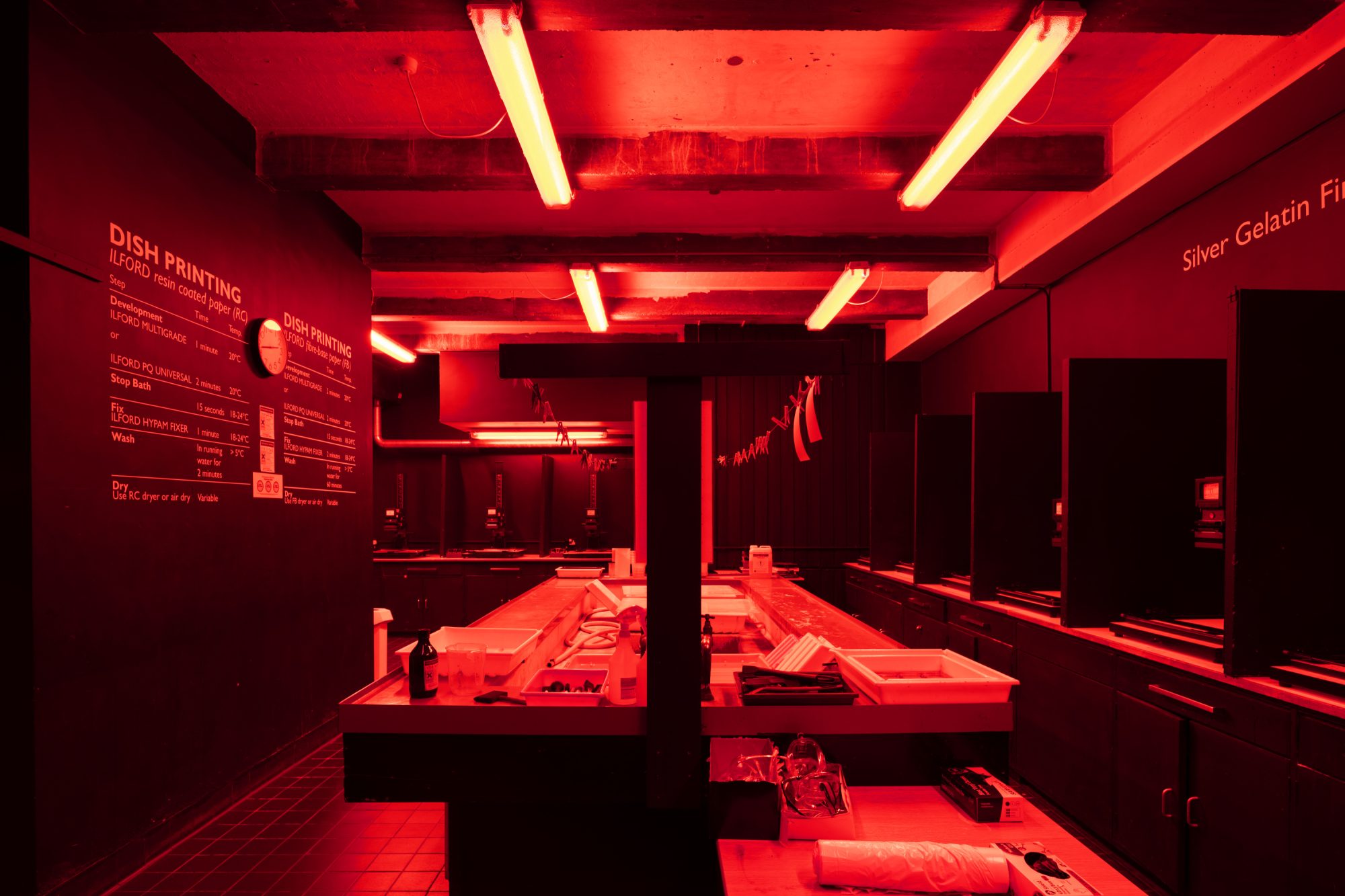
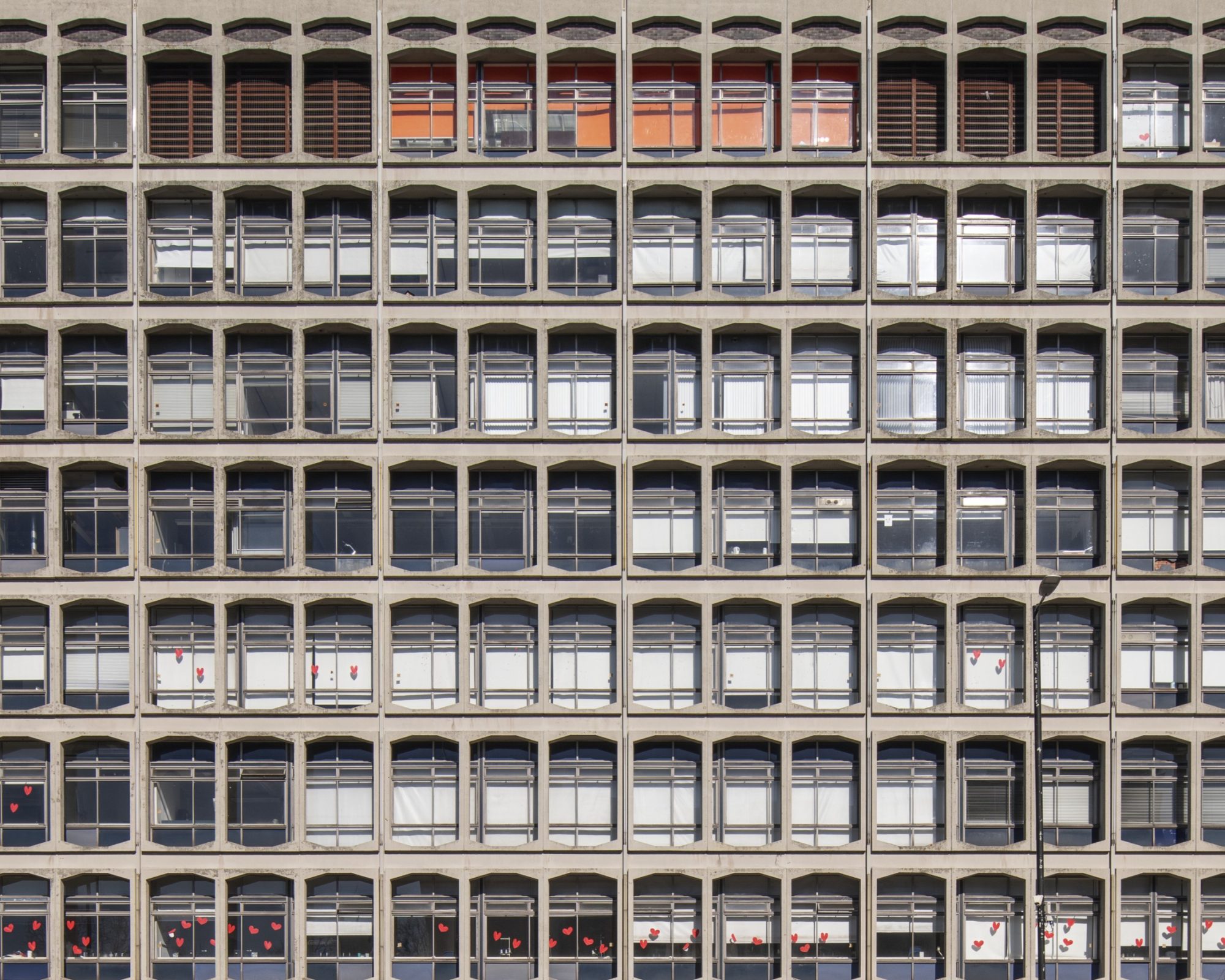
The 8-storey building is defined by a geometric ‘exoskeleton’ of pre-cast modular concrete panels, its tripartite openings with canted corners a nod to swinging sixties pop-art and graphic design. The robust detailing and flexible plan has ensured the building has remained in its original use for more than 50 years and survives in excellent condition. At the base of the tower is ‘Echelons with Concrete Pillars’, a site-specific sculpture commissioned to mark the inauguration of the new building, by notable sculptor Hubert Dalwood (1924-76).
In February 2025, the University of Wolverhampton had said it was planning to relocate the School of Art and demolish the existing building, prompting a largescale protest and a petition signed by 7,000 people. The listing designation recognises the buildings architectural merit and historic interest, and should help ensure that it continues to nurture future generations of artistic talent well into the 21st century and beyond.


Become a C20 member today and help save our modern design heritage.