This website uses cookies
This website uses cookies to enable it to function properly and to analyse how the website is used. Please click 'Close' to accept and continue using the website.


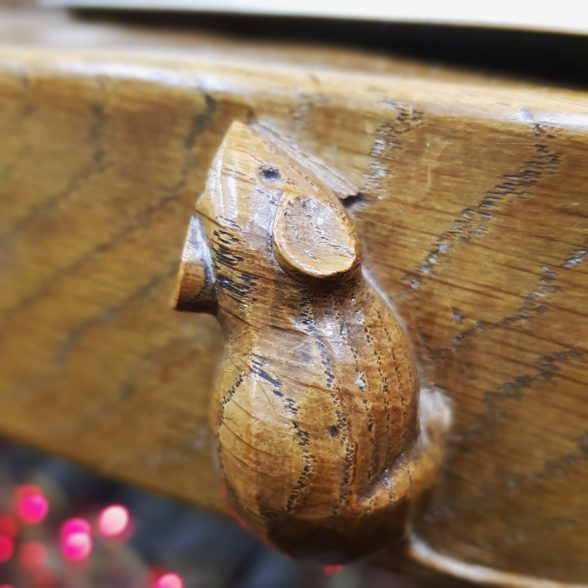
Image credit: CW Waddington
A rare and possibly unique 1950s retail interior by Robert ‘Mouseman’ Thompson has been spot listed by DCMS, in response to the risk of a pre-emptive removal.
CW Waddington Ltd menswear in Worksop, Nottinghamshire, was founded by Clifford Waddington in 1930 at a premises on Bridge Place. His son, Trevor Waddington, joined the company in 1957, with the third generation of the family joining in 2000. After trading for 96 years, it was announced in July 2026 that the business would close permanently at the end of October.
In the 1950s, following extension into the neighbouring premises, the shop underwent substantial internal and external refurbishment, which included a modernised exterior and an exquisite interior designed by Robert ‘Mouseman’ Thompson (1876-1955), after Waddington paid him a visit whilst on holiday in Kilburn, North Yorkshire, where Thompson’s workshop was based. Sources indicated the interior could be swiftly removed and auctioned after the closure of the business, triggering a listing application by C20 Society.
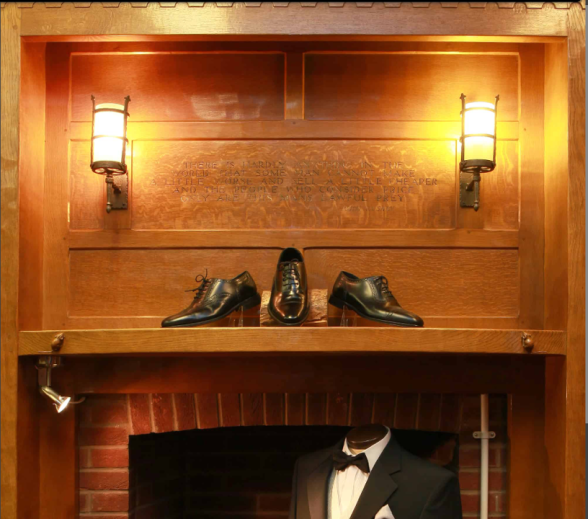
Image credit: CW Waddington
Thompson is internationally renowned for the high quality of his craftsmanship and his use of traditional tools and techniques, rooted in Arts and Crafts principles; his work contributes to the interest of several listed
buildings, including Tudor Croft in Redcar, recently designated Grade II.
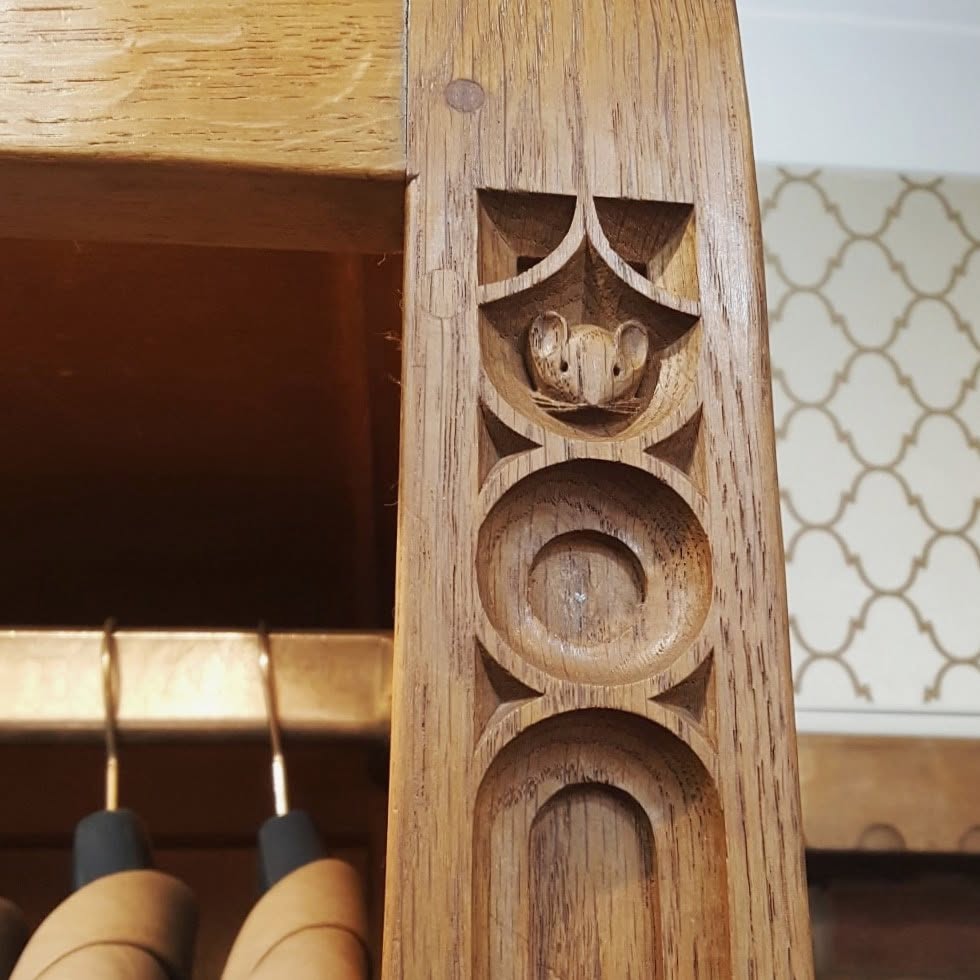
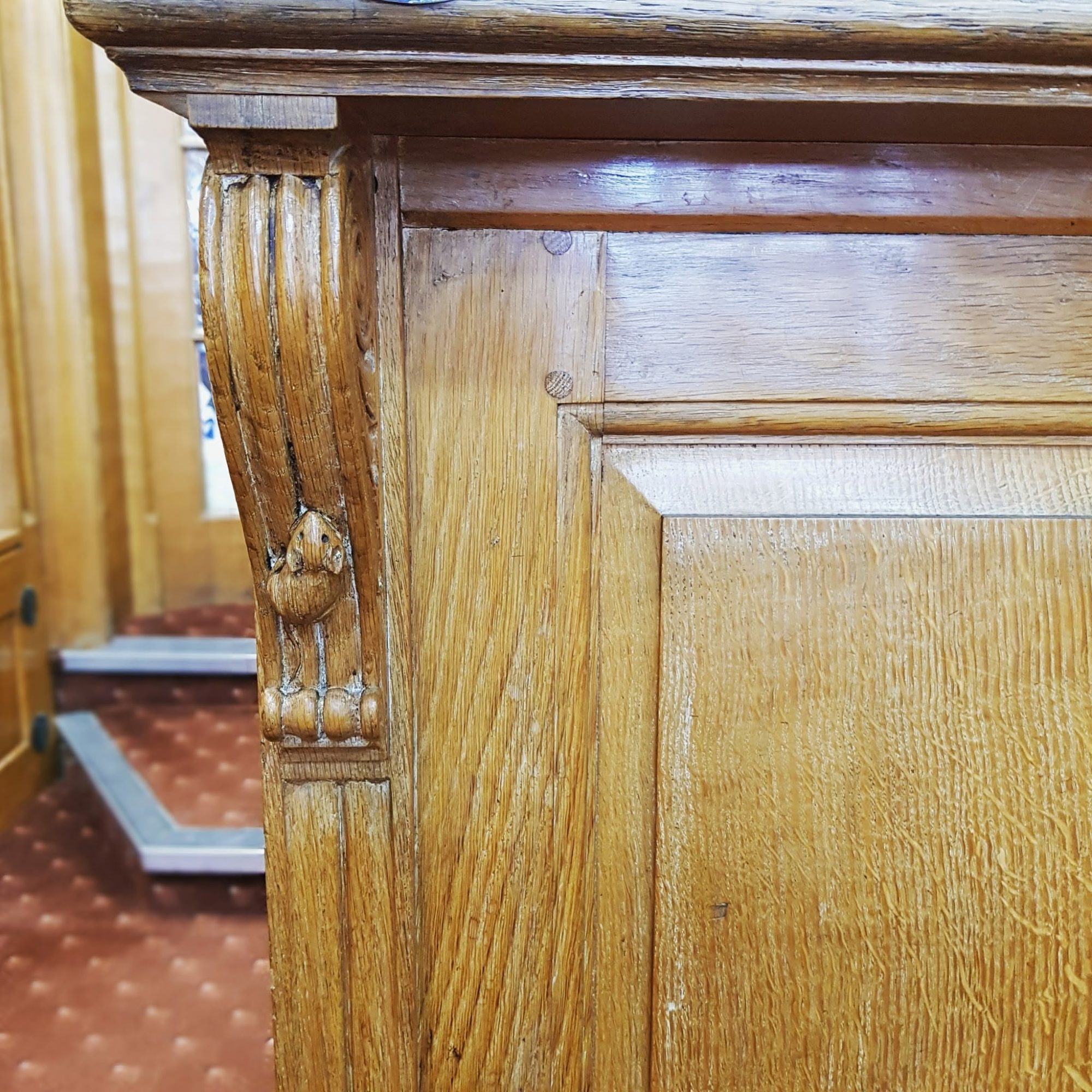
The famous mouse symbol, found on every item crafted by Thompson, was officially registered as a trademark in 1931 yet has an uncertain history. The story told by Thompson himself was that one of his craftsmen remarked that they were “all as poor as church mice”, whereupon Robert carved a mouse on the church screen he was working on at the time. That particular mouse has never been found, but the company’s use of a mouse has become a symbolic motif of Thompson handmade furniture and dedication to craftsmanship ever since, and is now an instantly recognisable signature of a Robert Thompson’s piece.

Image credit: CW Waddington
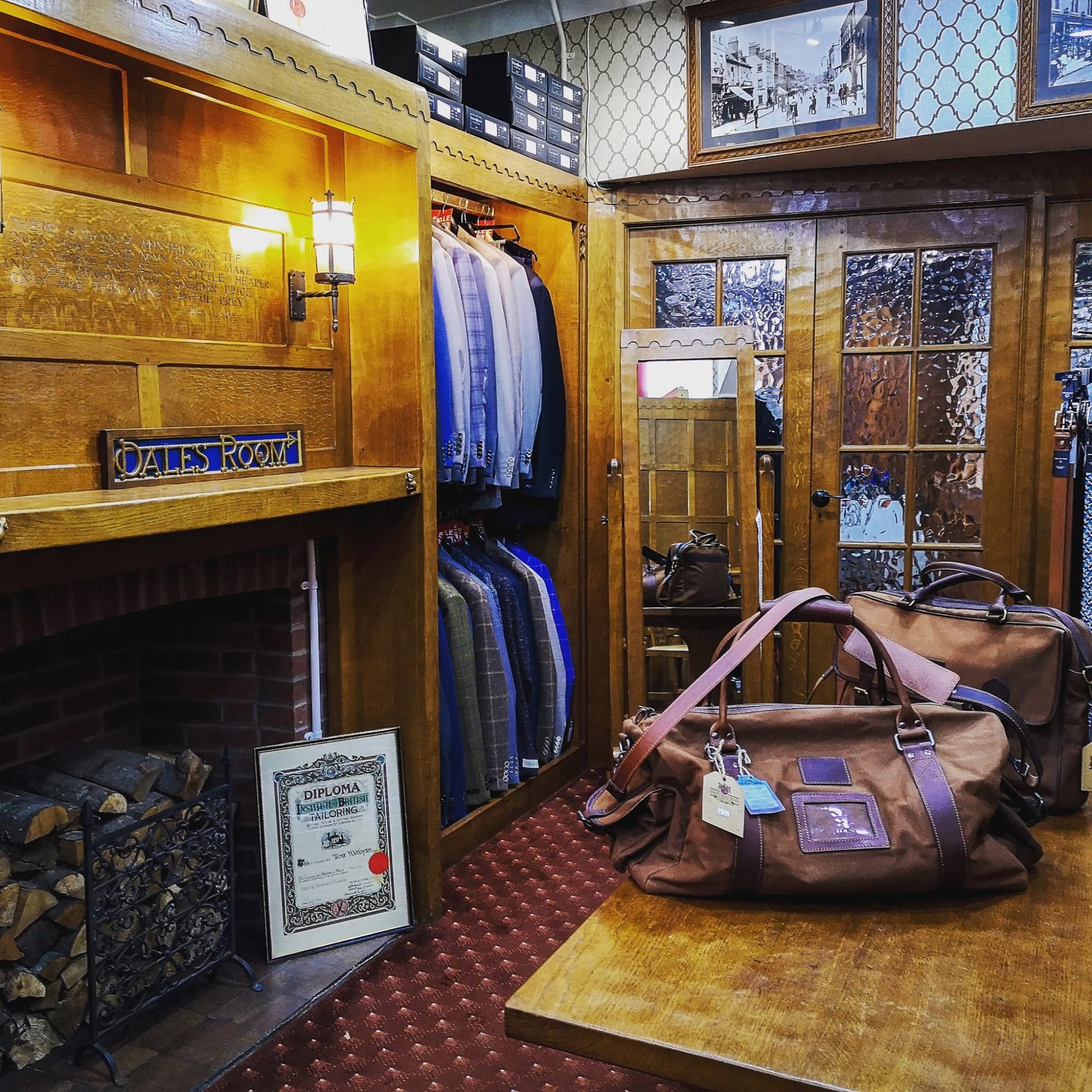
The interior at Waddington is particularly notable as an unusual application of Thompson’s craftsmanship to a commercial setting, completed to a very high quality and surviving remarkably well. His interior commissions are more commonly associated with ecclesiastical, domestic and civic buildings, with individual examples of Mouseman furniture in homes and collections. In contrast, the extensive, purpose-designed scheme for Waddington demonstrates how Thompson’s distinctive approach to craftsmanship was applied to a retail interior. The scheme is also understood to have been among the lastprojects designed during Thompson’s lifetime, prior to his death in 1955.
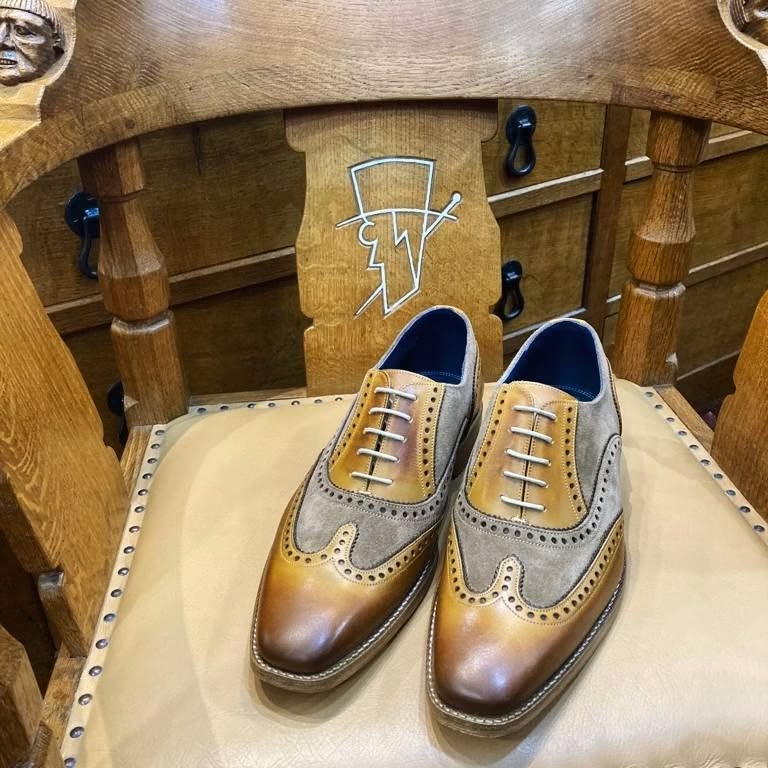
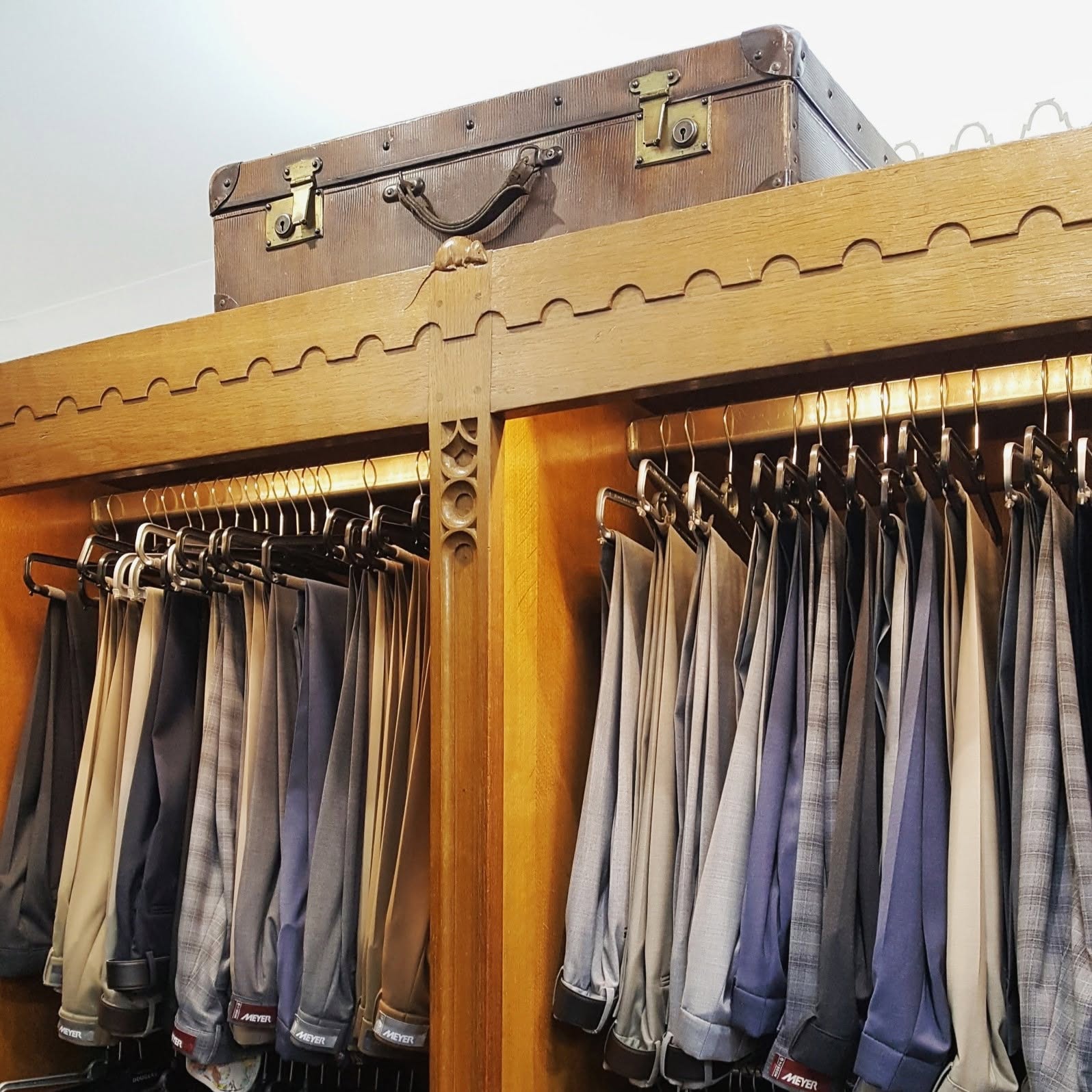
The scheme incorporates extensive timberwork displaying characteristic features of Thompson’s work, including the visible adzed finish, half penny mouldings and as many as 30 of his signature carved mouse motifs. The quality of the scheme extends beyond thetimberwork to its wrought-iron fittings, bench upholstery and carefully considered details, including lightfittings and a fireplace surround engraved with a quote from John Ruskin flanked by sconces:
‘There is hardly anything in the world that some men cannot make a little worse and sell a little cheaper and the people who consider price only are this man’s lawful prey’
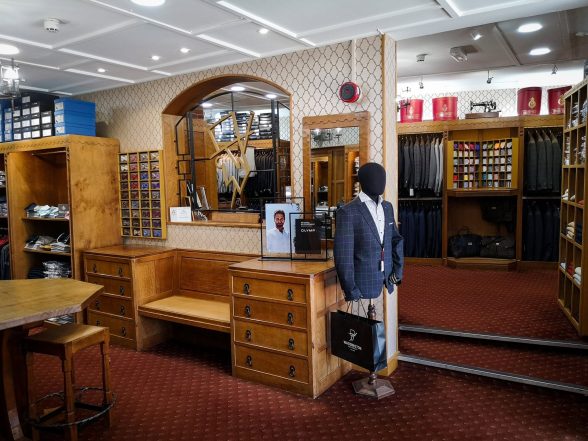
Image credit: CW Waddington
The scale and unity of the surviving scheme is remarkable and clearly conveys Thompson’s distinctive use of materials,high-quality craftsmanship and attention to detail.
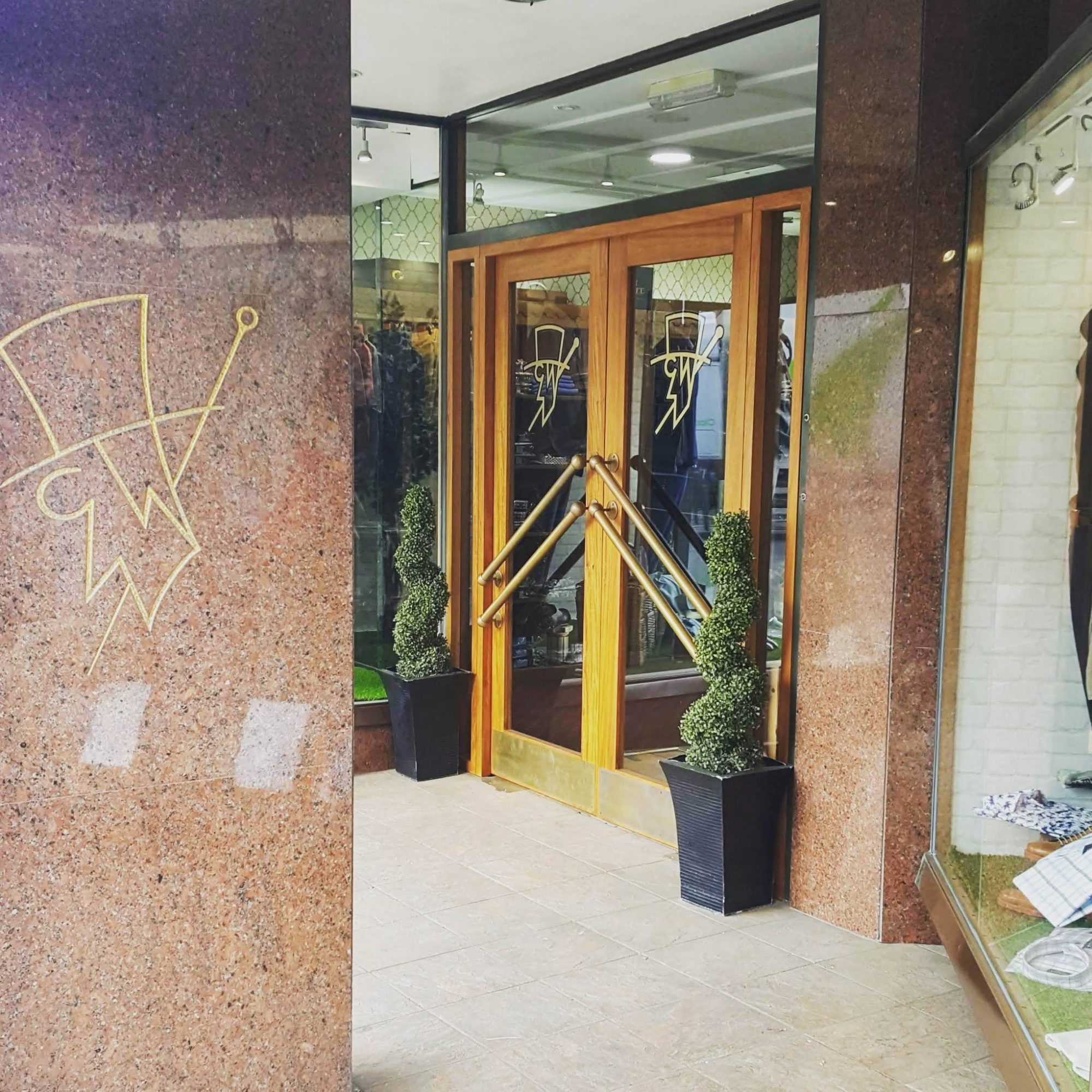
The shop exterior also demonstrates high quality in its materials, detailing and design. The marble cladding and gilded engraving convey durability and quality, consistent with a respectable menswear brand. The asymmetrical glazed entrance lobby which slopes inwards towards the entrance recessed, intended to draw the customer into the premises, reflects the development of progressive approaches to retail design during the post-war period. Although the exterior has been altered bythe installation of modern shutters, these do not obscure the underlying quality and interest of the shopfront.
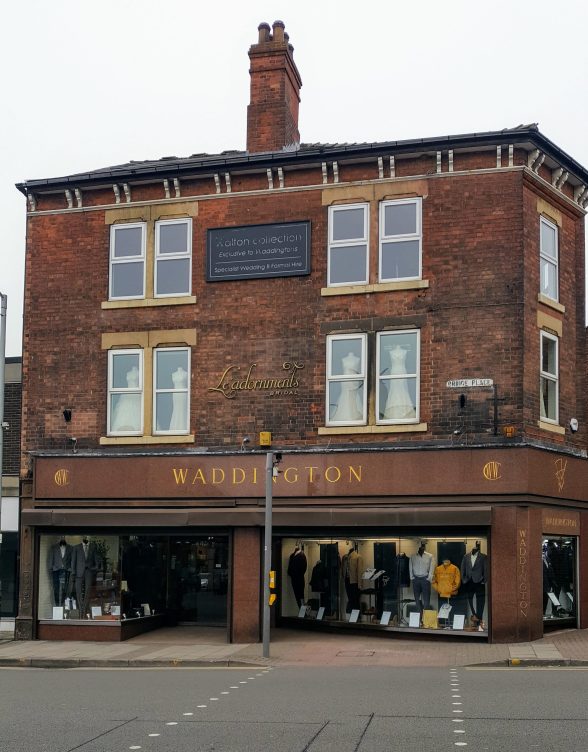
Image credit: CW Waddington
Become a C20 member today and help save our modern design heritage.