This website uses cookies
This website uses cookies to enable it to function properly and to analyse how the website is used. Please click 'Close' to accept and continue using the website.


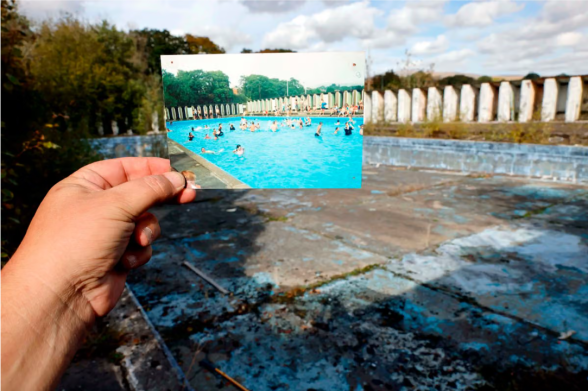
Image credit: Brynaman Baths Committee, John Myers
The Society welcomes news that the government has committed to establishing a new National Lido Fund. It follows long-standing calls from MPs to support heritage swimming facilities plus a recent report by the Fabian Society, and builds upon work to recognise the importance of Moderne and Art Deco lidos first initiated by the Thirties Society (forerunner to C20) in 1991.
Culture Secretary Lisa Nandy confirmed the fund during a session in the House of Commons, following a question from Peterborough MP Andrew Pakes. Ms Nandy said: “I thank my Honourable Friend for his sterling advocacy on behalf of lidos everywhere and Peterborough lido in particular; he knows that I share his passion on the issue. I can tell the House that we are creating a public leisure facilities programme that will provide support for lidos and other swimming facilities, and that, thanks to the work that he and others have done to campaign for this, the programme will include the first dedicated fund for lidos that this country has produced.”
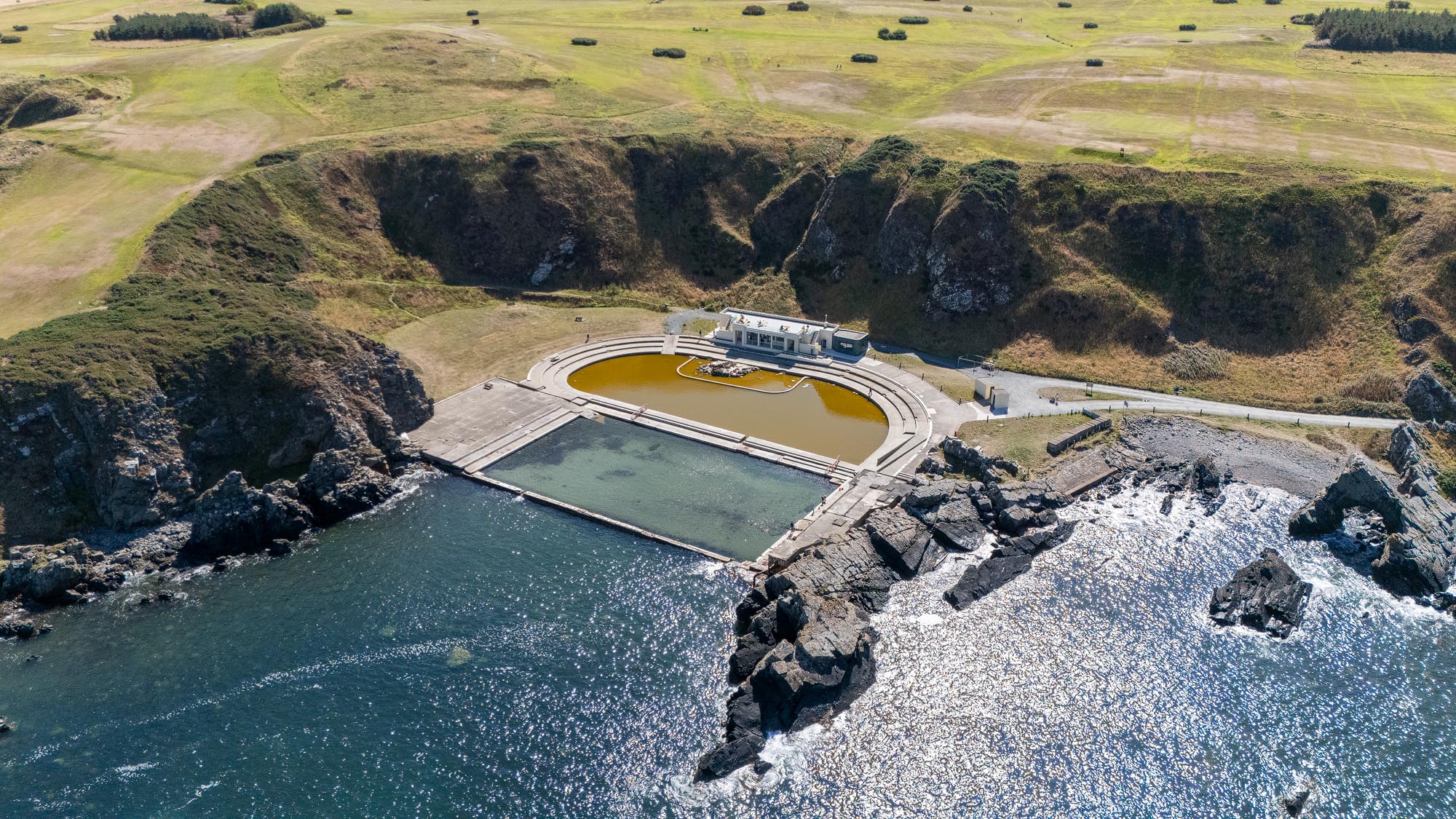
The government has yet to publish the size of the fund, its eligibility rules or an opening date, and we await the detailed scheme to know what support is available. However, the news is cause for renewed optimism among the community groups and council’s campaigning to reopen many historic lidos and pools across the country. Among them Broomhill Pool (1938) in Ipswich, Grange Lido (1932) in Cumbria, Tynemouth Outdoor Pool (1925) in Tyne and Wear, Peterborough Lido (1936) in Cambridgeshire, Brynaman Baths (1934) in Carmarthenshire, and Otley Lido (1924) in West Yorkshire.
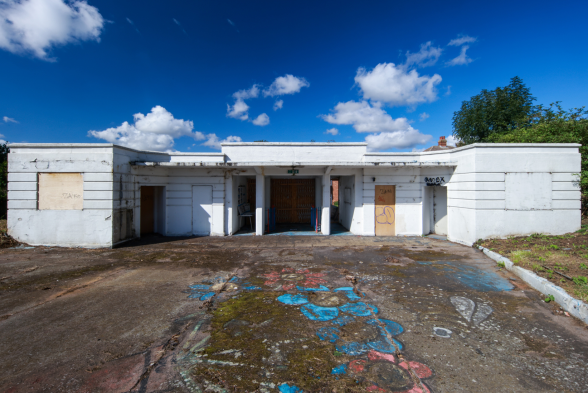
Image credit: John East
Boom and Broomhill
The Society recently wrote in support of Ipswich Borough Council’s grant application to the National Lottery Heritage Fund for the restoration of the 1930s Broomhill Pool, after previously funding was previously withdrawn from the £10 million project due to concerns about the viability of the operator. One of our longest running cases, The Society was instrumental in securing Grade II listed status for the pool in 2001, shortly before its closure in 2002. Of the fifteen historic pools and lidos across that have been nationally listed across the country over the past three decades, Broomhill is now the only example that remains in a state of disrepair and closed to the public.
The past few years have seen a growing demand for outdoor swimming as British summers become ever hotter, allied to the fact that many communities don’t have dedicated facilities or places to cool off. Better, the largest leisure centre group in the country, which operates 10 outdoor swimming centres, said 2026 was by far its busiest year for outdoor swimming, with trips to its lidos between June and August rising by 28% to 692,471 visits.
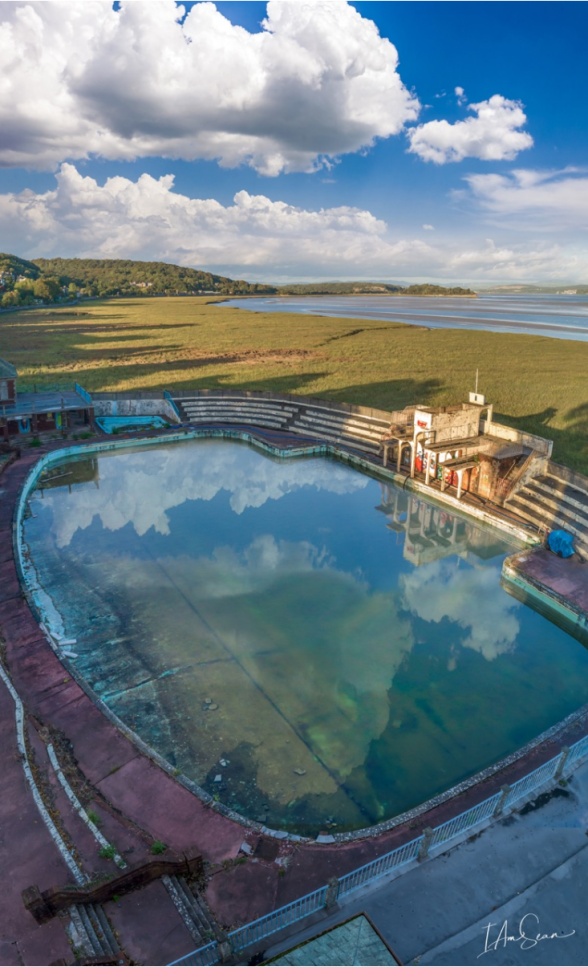
Image credit: I Am Sean
Farewell my Lido
The Society’s 1991 ‘Farewell my Lido’ campaign drew attention to the plight of lidos nationally, celebrating their underappreciated architecture and encouraging local groups to take them over from local authorities. The introduction to the report outlined their social and historic value:
‘The open air swimming pool is a typical building of the interwar period. It reflects the interest in health, sport, and mass activities of the period, but most of all the belief in the pleasure and virtue of fresh air. By the end of the 1930s Britain was well provided with lidos, tidal pools and other open-air swimming facilities. They continued to be built into the 1970s and even later, but the 1980s proved to be a disastrous decade for them. Only a handful still survive, and with the introduction of further government controls on local authority spending and provision of services, none is free from threat.’
‘Many of them are wonderful buildings enjoyed which are increasingly enjoyed for their period character. We consider them important both as historical examples and as a living heritage from the recent past that will appreciated as long as the sun goes on shining.’
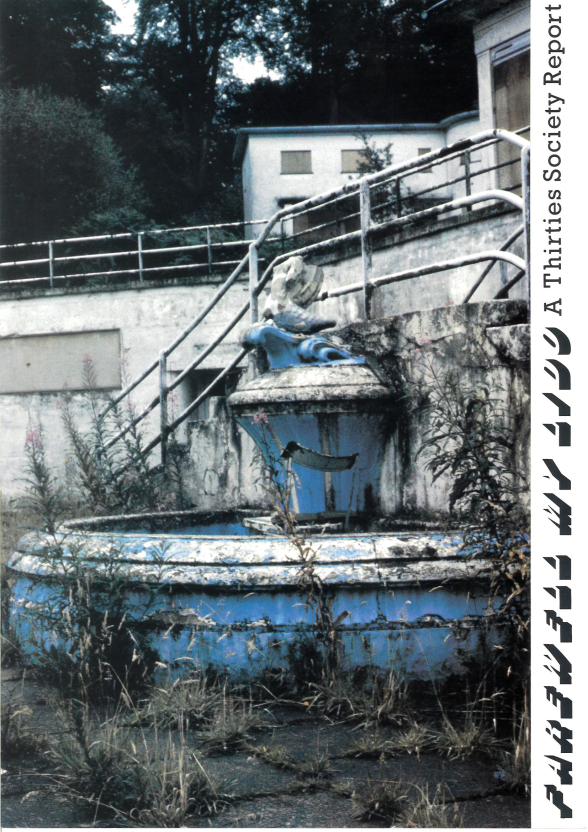
Image credit: C20 Archive
In the past 35 years, the nation has rediscovered its love of outdoor swimming and many of the finest examples are now listed. Including Peterborough Lido (Grade II, 1992); Jubilee Pool, Penzance (Grade II, 1993)Uxbridge Lido, Hillingdon (Grade II, 1998); Tinside Lido, Plymouth (Grade II, 1998); Parliament Hill Field Lido, Camden (Grade II, 1999); Broomhill Pool, Ipswich (Grade II, 2001); Brockwell Lido, Lambeth (Grade II, 2003); Ilkley Lido, West Yorkshire (Grade II, 2009); Grange-over-Sands Lido, Cumbria (Grade II, 2011); Sandford Parks Lido, Cheltenham (Grade II, 2019).
In 2022, we launched a new campaign aiming to preserve Britain’s best post-war Leisure Centres – a spiritual successor to the lido campaign. Thus far this has resulted in five designations for this groundbreaking building type: Oasis Leisure Centre, Swindon (Grade II); Richard Dunn Sports Centre, Bradford (Grade II, 2022); Doncaster Dome (Grade II, 2023); Bell’s Centre, Perth (Category B, 2024); Wrexham Baths (Grade II, 2025).
Become a C20 member today and help save our modern design heritage.