This website uses cookies
This website uses cookies to enable it to function properly and to analyse how the website is used. Please click 'Close' to accept and continue using the website.


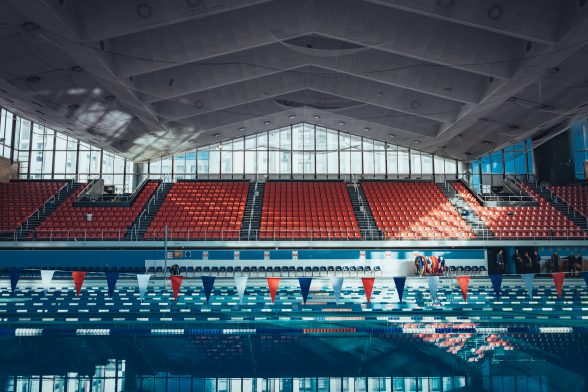
Image credit: Dylan Parrin
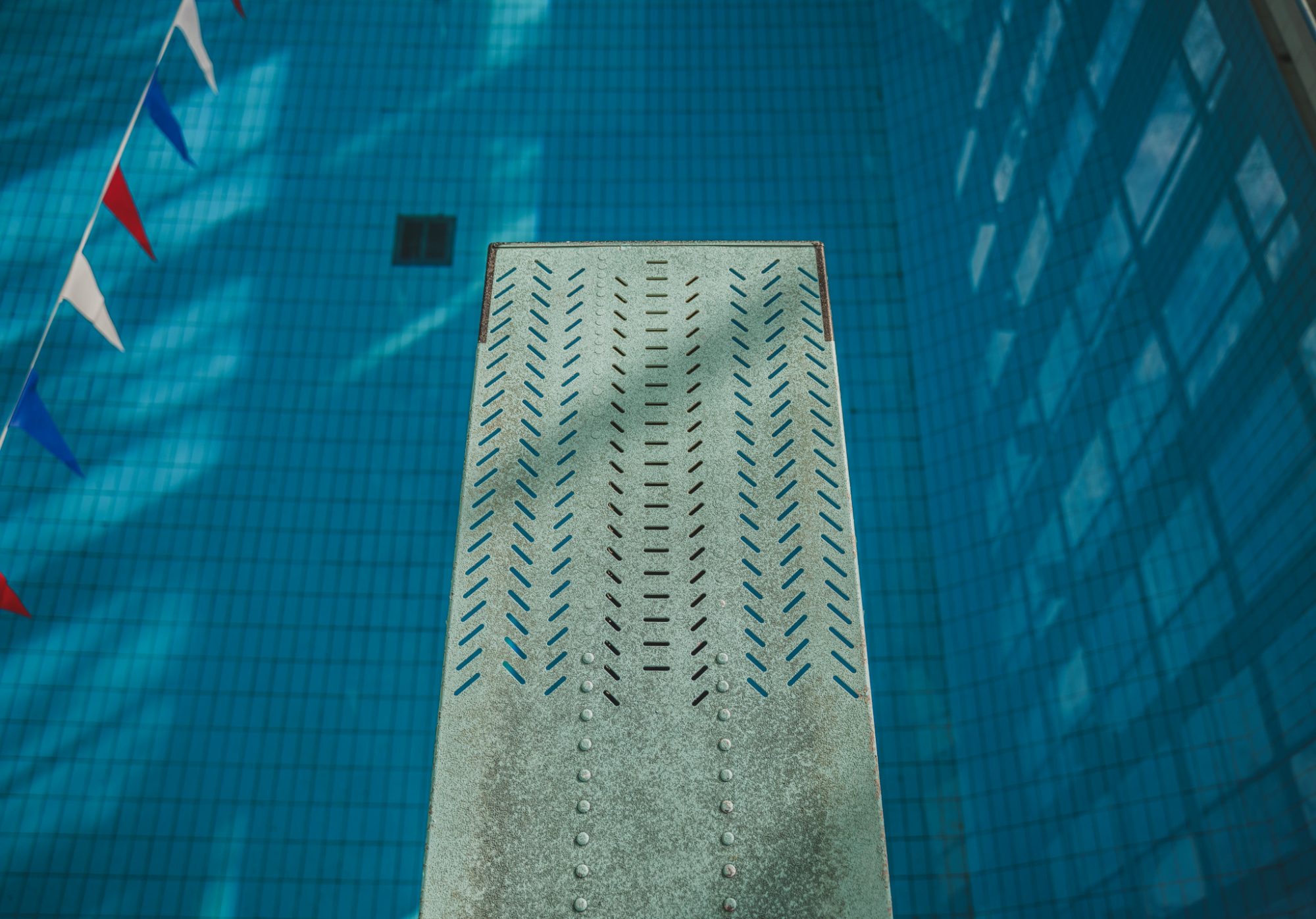
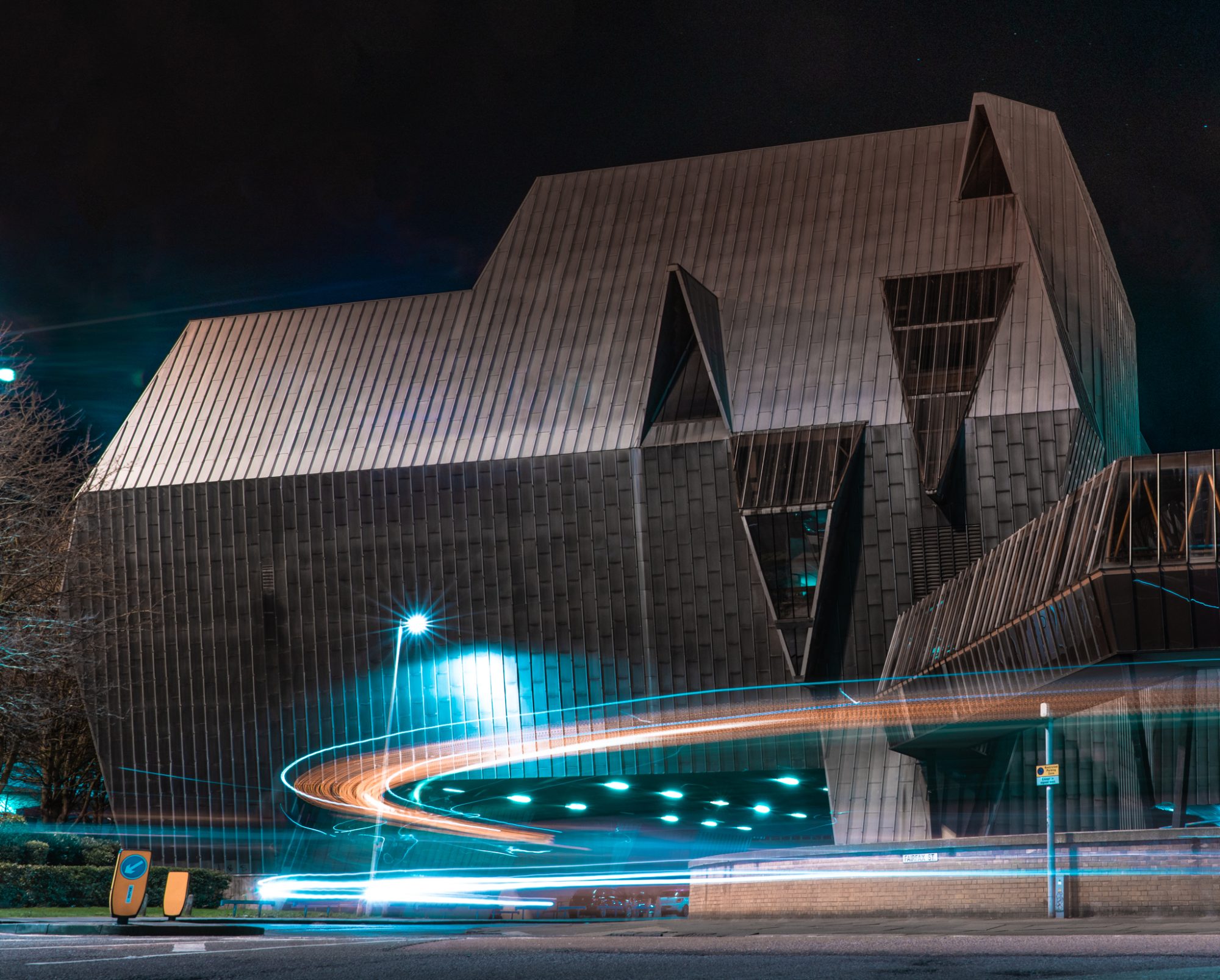
The Grade II listed Coventry Central Baths (1962-66), once described as ‘one of the finest swimming pools in the world’, is to be demolished by Coventry City Council after Steve Reed MP – Secretary of State for Housing, Communities and Local Government – formally approved the bulldozing of the building.
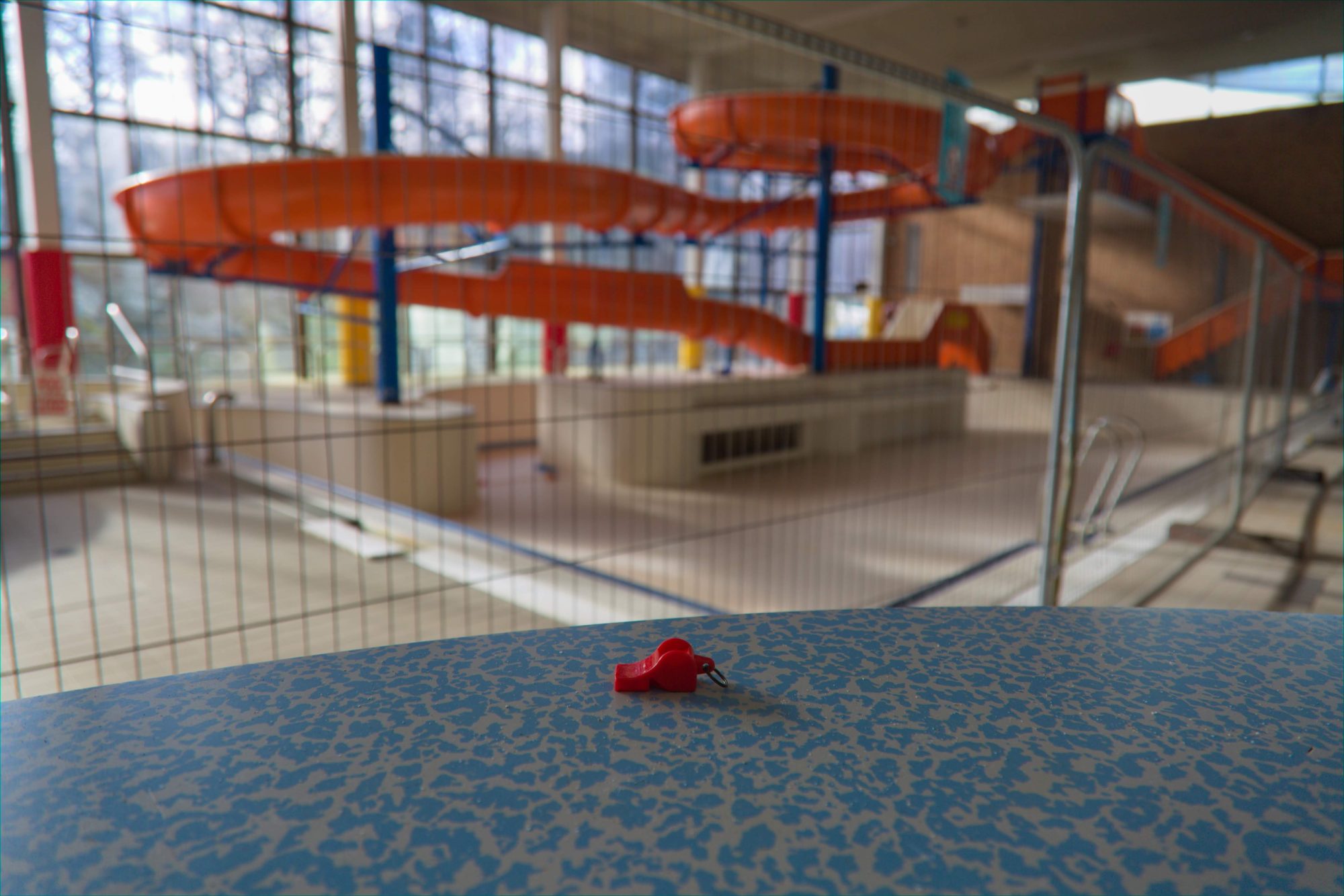
The Olympic-sized pool and adjoining leisure centre on Fairfax Street has sat empty since it was shut in February 2020 to save money. In his letter to the Council, dated 21 May, Reed explained Listed Building Consent has been granted, subject to work being carried out within three years, and archaeological investigations.
C20 Society and the Coventry Society strongly objected to the Council’s plans, arguing that there was insufficient justification for total demolition, that proposals to adaptively reuse the building had not been meaningfully explored, and the lack of any viable use – civic or otherwise – assigned to the site following demolition. The Society had requested application be referred to the Secretary of State for determination, as per section 5(b) of the Arrangements for Handling Heritage Applications. Historic England did not object to the proposals.
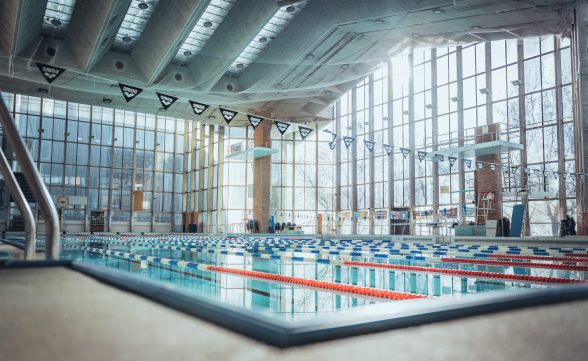
Image credit: Dylan Parrin
‘A great garden-pavilion roof’
The Coventry Baths site had been marketed by the Council since February 2021 via agents Avison Young, on a leasehold basis and for the buildings in part or whole. Documents reveal the site was viewed by seven interested parties during that period, with two formal bids received – one for an artisanal food hall and conferencing space, and one for padel tennis. The Council classified both bids as ‘unviable’ after ‘more detailed due diligence on refurbishment costs by the prospective purchaser/tenant’, however there was no indication of what the Council was willing to invest to help reactivate the publicly owned buildings. Given the the quoted annual costs of £400,000 for holding, security, and maintenance of the vacant buildings, tax-payers may well ask if demolition to create ‘an area of hard standing’ represents the best possible outcome.
Designed in 1956 by Coventry City Architect’s Department, Coventry Baths is in a highly sensitive city centre location; adjacent the Grade I listed Cathedral of St Michael (1956-62), and within the Hill Top and Cathedral Conservation Area. The adjoining dry-sports Elephant building (1977) is to be retained and detached from the Baths; both were highlighted on C20’s Risk List in 2017.
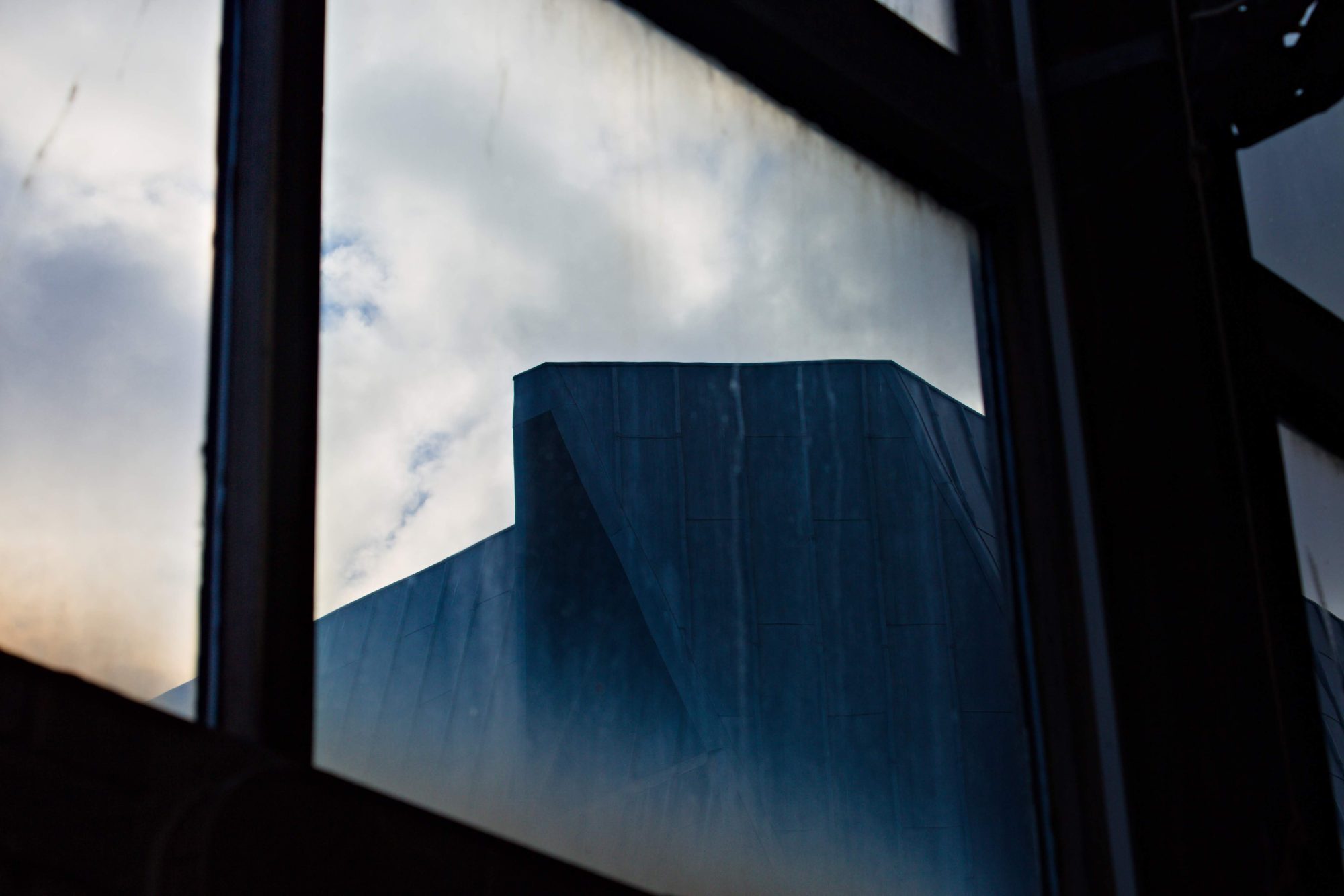
Given the undoubted challenges presented by the current condition of the Baths and there being no prospect of aquatic activities returning, The Society would have welcomed a pragmatic approach to retain the radical W-shaped roof structure – described at its opening as ‘like a great garden-pavilion roof afloat above glass walls’ – while creating a space for bold new uses beneath. What an opportunity missed to showcase a radical yet respectful reinvention of the city’s post-war heritage. Now, nothing but the later Elephant will survive.
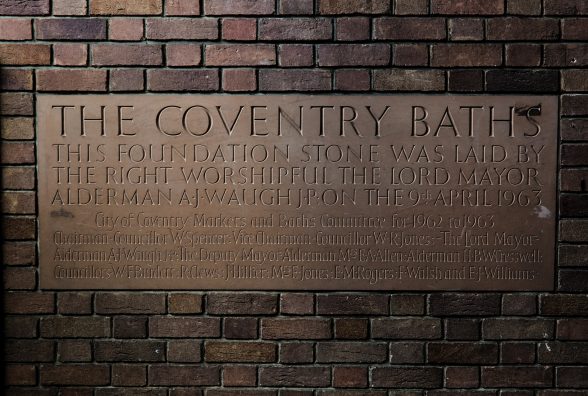
Image credit: Aaron Law
‘No equal in Europe’
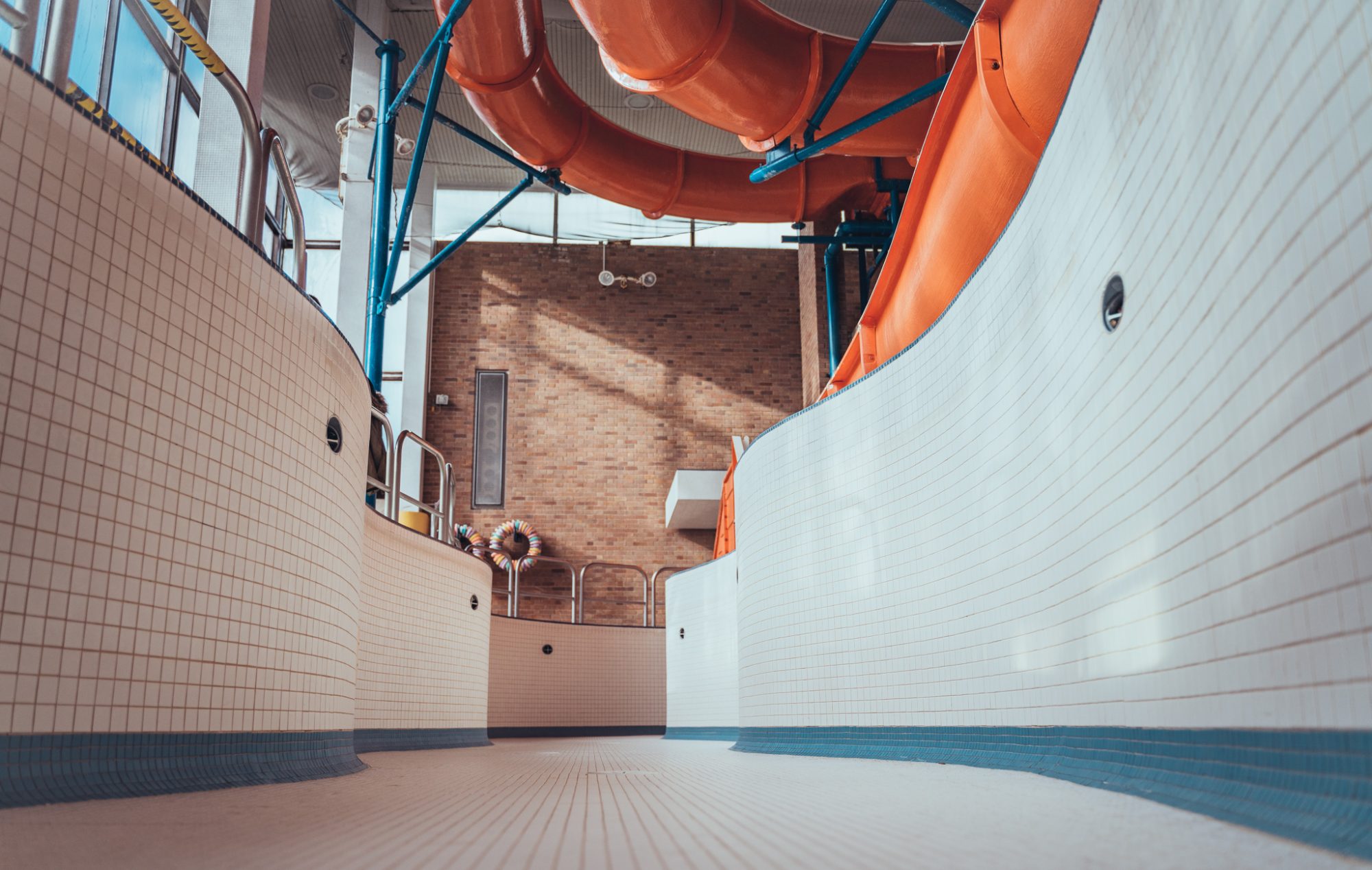
Wartime bombing destroyed four of Coventry’s five swimming baths. By 1956 the city decided that its needs would best be met by a very large central complex. Coventry and Hampstead were the only complexes of the period to be constructed with three pools, and at Coventry all three remain in use. The use of a steel frame and the longitudinal plan are also unusual features. Coventry is important as amongst the most ambitious baths built anywhere in Britain in the short period 1960-66 when large swimming complexes were encouraged. It is also one of the few buildings in the rebuilt Coventry centre to be a pure modern design:
‘Coventry has been provided with one of the finest swimming pools in the world. It has probably no equal in Europe, and local pride has reason to be satisfied. … The site for the Swimming Baths was constricted and the requirements complicated. Yet the result is undoubtedly an architectural success. The enormous bird-like form has an imaginative and dramatic elegance which outclasses any of the other recently erected buildings in central Coventry.’ (Coventry New Architecture).
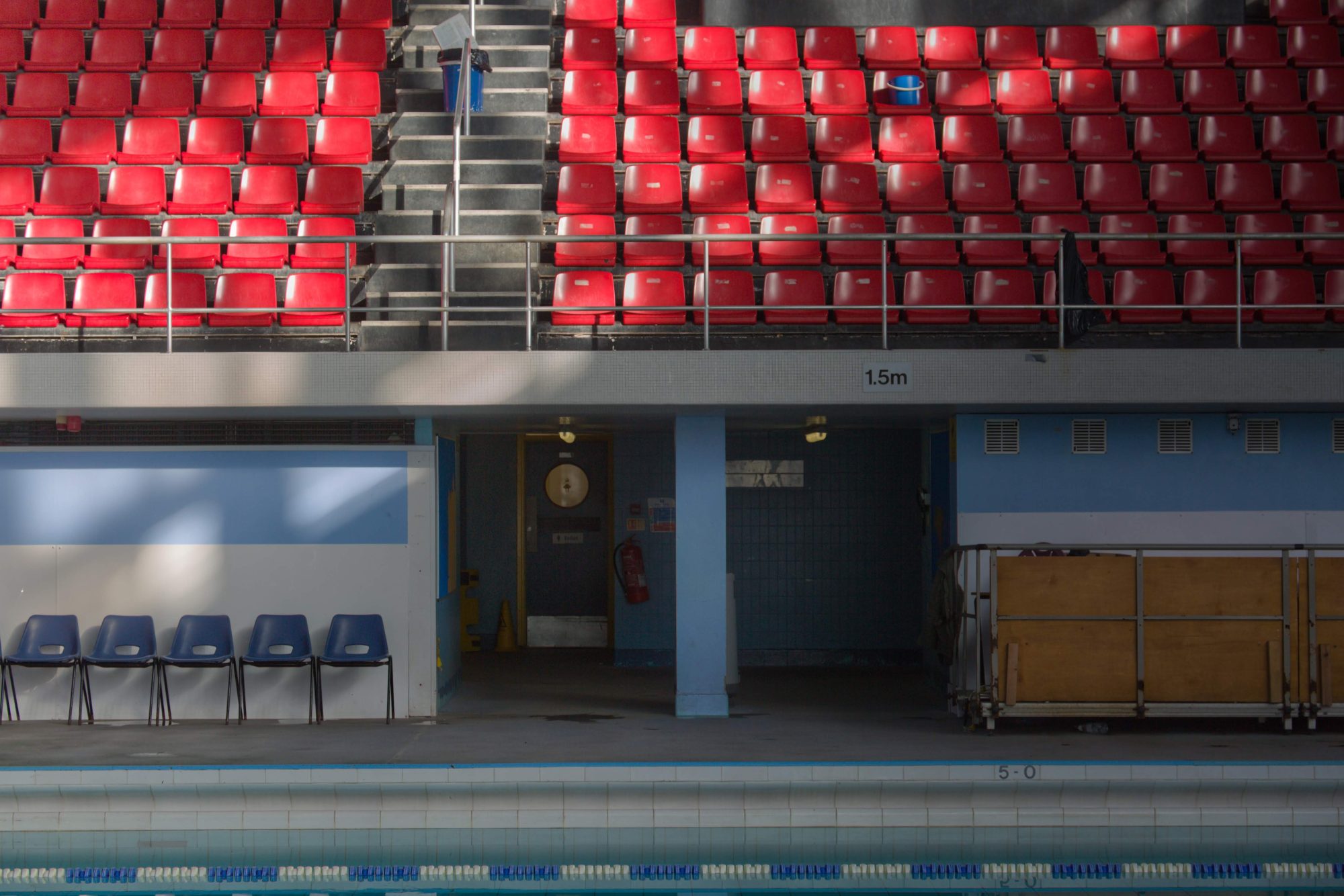
The elaborate facilities of the main pool were designed to meet international competition standards, and the pool became the regional competitive centre for the Midlands – a recognition of the impressive facilities provided rather than an original aim.

Historic England’s list description for Coventry Central Baths (1021930) outlines the following principal reasons for its designation (in 1997) at Grade II:
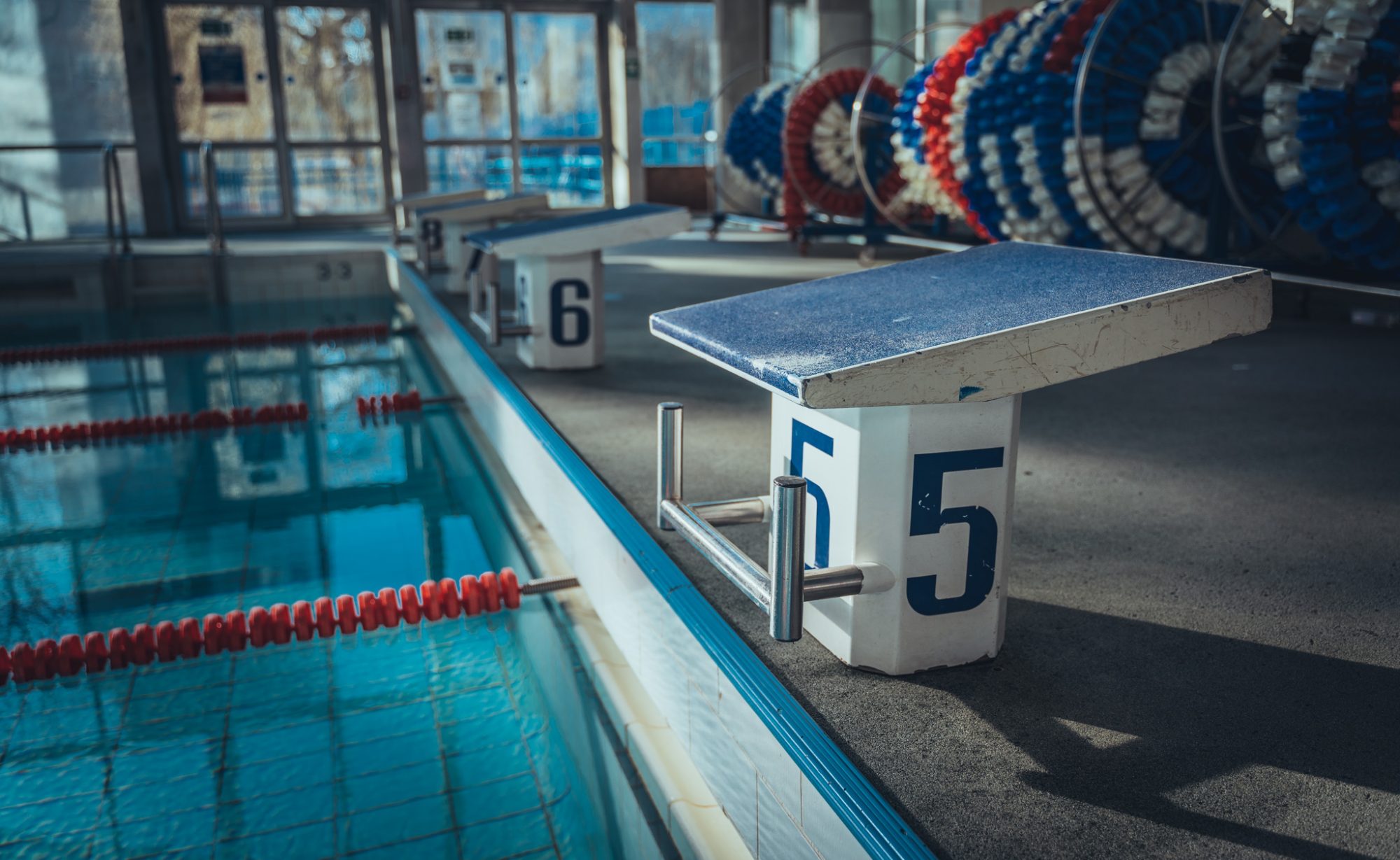

Become a C20 member today and help save our modern design heritage.