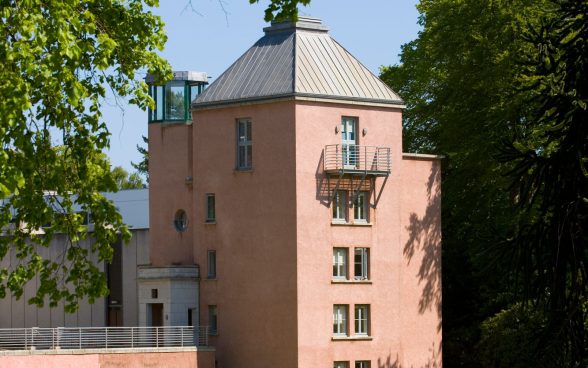
Announcing Coming of Age 2025: C20’s end of year ‘honours list’ celebrating the best of British architecture that’s turned 30 years old and so become eligible for national listing consideration.
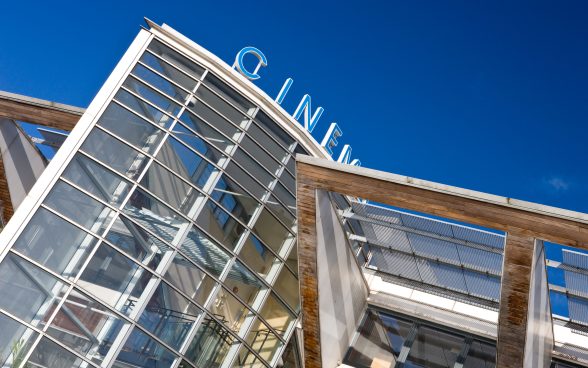
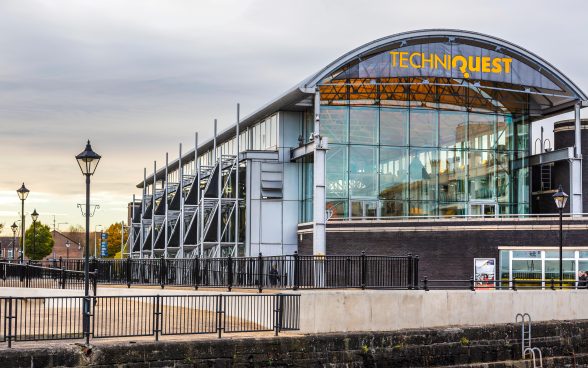
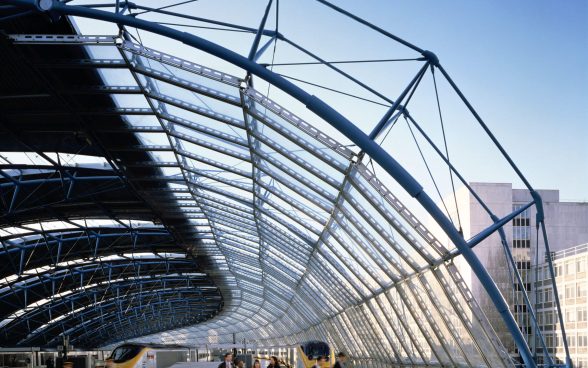
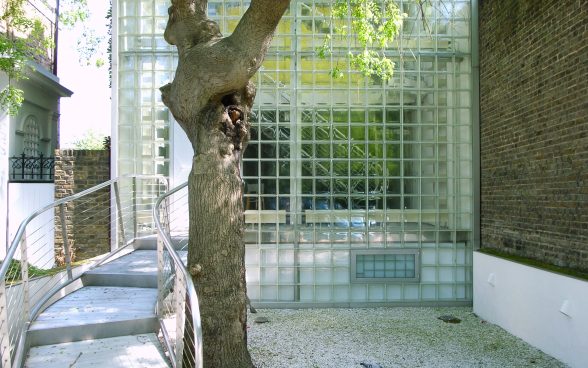
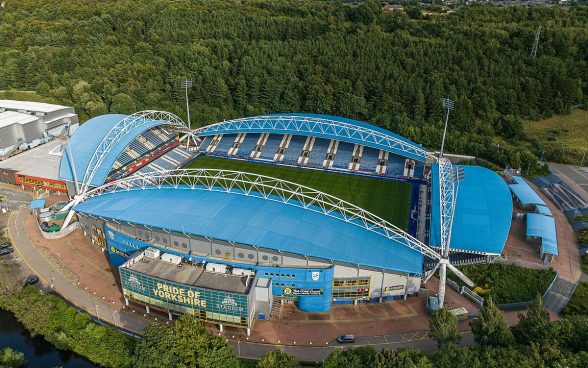
Turning the clock back to those buildings completed in 1995, we enter the optimistic mid-90s era of urban regeneration, with five flagship projects – cultural, residential, and infrastructure related – all on prominent waterfront sites in Cardiff, Lambeth, Salford, Southampton and Stockton, and billed as catalysts for the post-industrial regeneration it was hoped would follow. The score-card may be mixed on their economic legacy, but the quality of the buildings and structures that remain is beyond question.
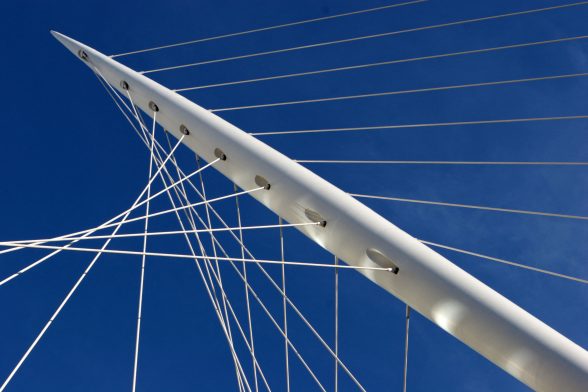
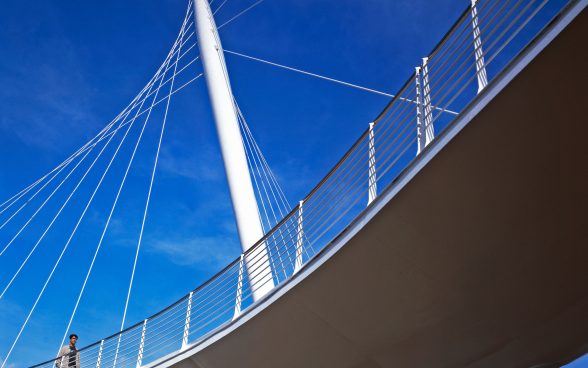
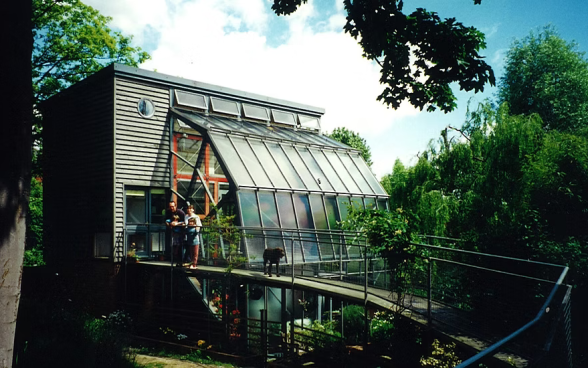
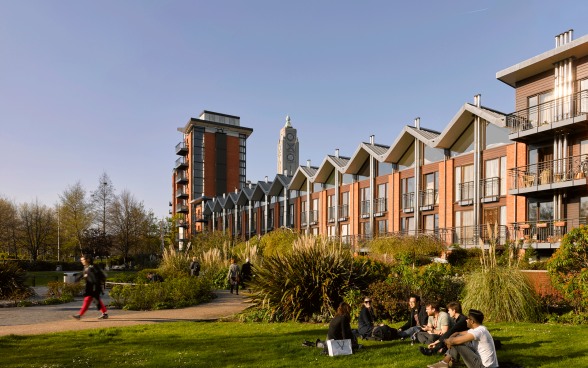
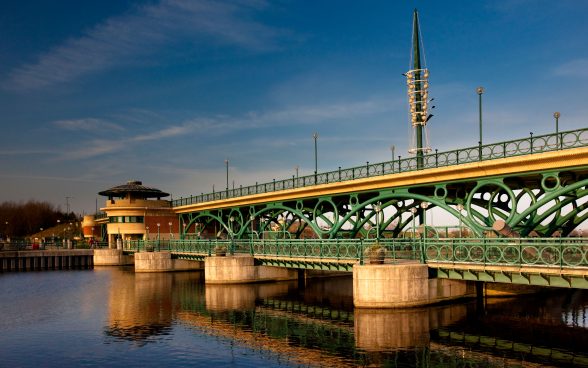
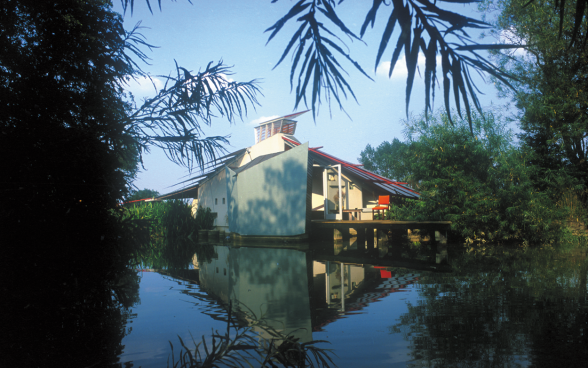
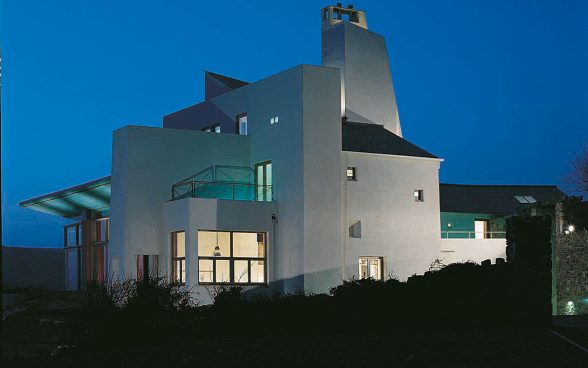
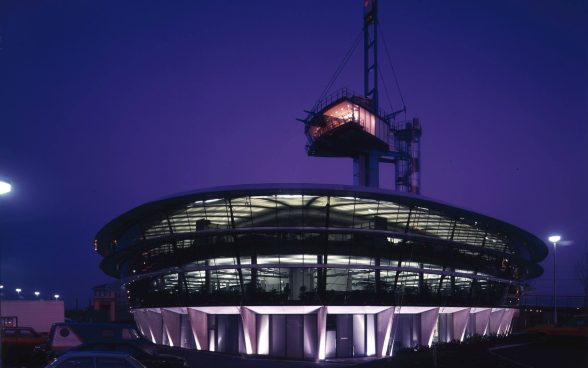
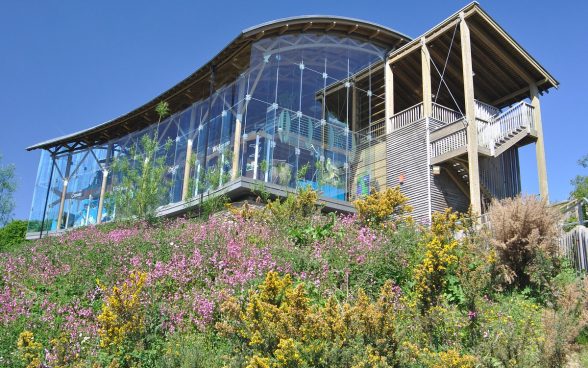
Two bridges make the list: the only Santiago Calatrava project in the UK to date, a slender needle of modernity in Manchester that set the template for countless bridges in the decades followed; and a playful late-PoMo tidal barrage on Teesside. Three remarkable residential projects also make the list: experimental early schemes from eco-pioneer Bill Dunster and then Young Architect of the Year, later Stirling Prize winner, Níall McLaughlin, plus an exemplary affordable housing scheme on London’s Southbank.
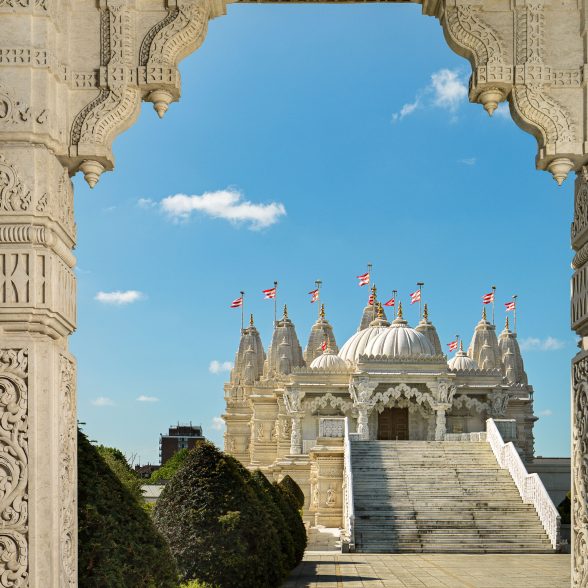
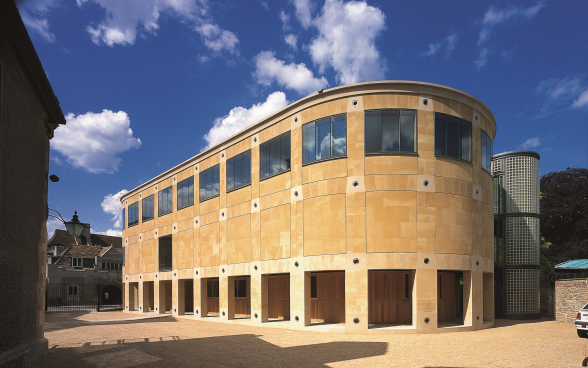
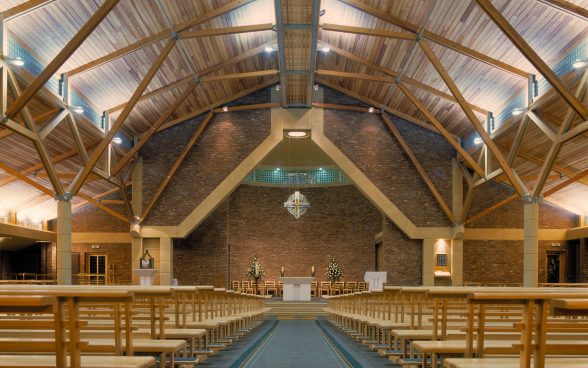
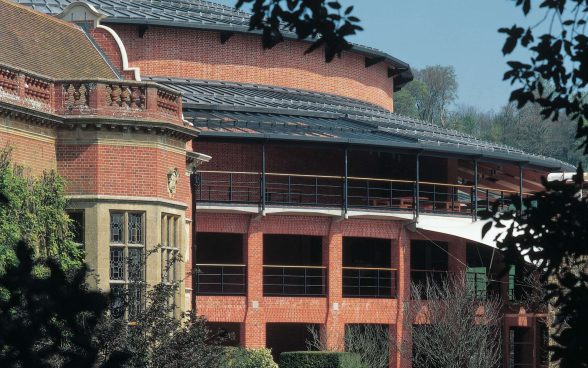
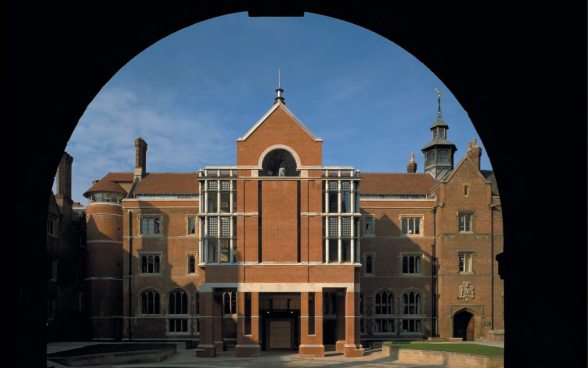
The 1990s turn to slightly more traditional, historically resonant styles of architecture is also evident in an Arts & Crafts style Catholic church in Belfast and a colonnade auditorium building for a Cambridge college by Hopkins. Meanwhile, the Hindu Mandir (temple) that tops our 2025 list is a genuinely extraordinary one-off; a building unlike any other in modern Britain, that has more in common with a 1,000-year-old cathedral or priory than anything else seen in the 20th century. Placing Vastu Shastra’s ‘sacred architecture’ squarely in suburbia, it’s a dazzling part of our national story.
We hope the next stop for these outstanding buildings will be richly deserved recognition and a place on the National Heritage List.
Trinity Footbridge, Salford, Manchester – Santiago Calatrava, 1995
The selection criteria for listing buildings are set by the government Department for Culture, Media and Sport, with Historic England providing detailed guidance and carrying our research on each specific case. Along with the primary considerations of ‘special architectural and historic interest’, the principles state that buildings under 30 years of age are not usually considered eligible because ‘they have yet to stand the test of time.’ However, when a building reaches this key age threshold, there’s currently no mechanism to proactively review or assess its heritage value, until it comes under threat of demolition or harmful alteration. (NB. In exceptional circumstances, buildings may be listed when they are under 30, but only if they are both of exceptional quality and at risk of demolition).
C20 Society’s annual ‘Coming of Age’ initiative addresses this directly, by identifying 10 outstanding buildings across the country that opened in 1995, and recommending they be added to the National Heritage List. This hit-parade of heritage from the recent past celebrates the richness and diversity in our built environment, set within the social, political and cultural contexts of the day.
Given that around 30 years after construction is often the point at which buildings (however well-constructed in the first place) are likely to require their first major refurbishment, any listing designation at this point would provide a timely opportunity to ensure that such works recognise and respond to what makes a building significant. Encouraging retrofit with the long-term, sustainable future as a key objective.
Approaching 30 years old is also often the moment in a building’s lifespan when it is most likely to be at the nadir of its popularity and fashionability, and therefore potentially at its most vulnerable. Why wait until the bulldozers are poised, to intervene and try to protect an outstanding building, when it is possible to make an objective judgement far earlier?
Acknowledgements
A special thanks to Joseph Strang – MSt student in Building History at Cambridge and former Visiting Fellow at the Henry Moore Institute – for co-researching this years list and authoring the individual entries.
This website uses cookies to enable it to function properly and to analyse how the website is used. Please click 'Close' to accept and continue using the website.